
Smart Budget Plans: The Foundation of a Powerful Financial Life

Every strong financial journey begins with one essential step: creating budget plans that actually work in real life. People often believe they need higher income to feel financially secure, yet most gains come not from earning more, but from managing what you already have. A simple, clear budget plan provides the structure your money needs. It replaces chaos with clarity, gives purpose to every dollar, and helps you build long-term financial control without feeling restricted.
When your spending is guided by a well-structured plan, you naturally avoid unnecessary expenses, reduce stress, and open more space for savings and investments. Modern tools like the Budget Calculator make this process easier than ever by showing exactly where your money goes and how to redirect it toward your goals.
Why Budget Plans Matter More Than Ever in 2025
Life has become faster, more digital, and more expensive. Small payments—subscriptions, delivery fees, micro-purchases—slip through unnoticed. This is why people with high incomes still struggle to save. Without structured budget plans, spending becomes emotional rather than intentional. A strong budget system works like a shield: it catches hidden leaks, prevents impulse spending, and keeps your future secure even when life becomes unpredictable.
The most effective plans include three elements: awareness, allocation, and automation. When you combine these elements, money finally starts working for you instead of disappearing into daily routines. You gain clarity, confidence, and control.
Start With Awareness: Know Where Every Dollar Goes
Before building advanced budget plans, you need visibility. Track your daily expenses using tools like the Impulse Spending Tracker. Most people are shocked when they see how small habits—snacks, ride-shares, quick subscriptions—quietly drain hundreds each month.
For deeper insights, review external guides such as NerdWallet’s budgeting starter guide, which explains the psychology behind spending and saving decisions.
Turn Awareness Into Structure
Once you understand your spending patterns, translate them into a strategic monthly plan. Assign limits for categories like groceries, transport, entertainment, personal care, and digital services. Realistic budget plans are not about restriction—they are about guidance. When you define boundaries, you prevent emotional purchases and maintain balance.
If you share expenses with a partner, friend, or family member, simplify the process using the Bill Split & Group Budget Tool. A shared financial system reduces conflict and keeps everyone aligned with the same goals.
Your First Action Step
Today, begin with one clear action: open the Budget Calculator, enter your income and monthly expenses, and let the tool reveal your spending patterns. Awareness is the first move toward freedom—and the foundation for the advanced budget plans we will build in the next chapters.
Savvix Says:
“Strong budget plans don’t limit your life—they empower it. Give every dollar a purpose today, and watch how quickly your financial stress begins to fade.”
The Psychology Behind Successful Budget Plans

Creating budget plans is not just about numbers. It’s about understanding the psychology behind your spending habits, emotional triggers, and daily decisions. Most people overspend not because they lack discipline, but because modern financial systems are designed to encourage fast, frictionless purchases. When you understand why your brain says “yes” to things you don’t need, you can finally build budget plans that guide your behavior instead of fighting it.
Every online store, subscription service, and shopping app uses behavioral economics to shape your decisions. One-click payments, limited-time countdowns, loyalty points, and “free shipping over $25” prompts are all crafted to bypass logical thinking. This is why even smart, organized people struggle to control their spending—your brain is being nudged, constantly. Beating these nudges requires awareness, intentional structure, and the right financial tools.
Emotional Spending: The Hidden Enemy of Budget Plans
Emotional purchases are one of the biggest threats to successful budget plans. Stress, boredom, loneliness, or even excitement can trigger quick purchases that feel harmless in the moment. But repeated emotional buying becomes a silent drain on your monthly budget.
Start tracking your emotional spending patterns using the Impulse Spending Tracker. This tool helps you capture the moment: What were you feeling? What were you trying to avoid? These insights will later shape stronger, more effective budget plans.
For deeper guidance, explore Psychology Today’s research on financial behavior, which explains why most people underestimate small expenses and fall into predictable spending patterns.
Mental Accounting: How Your Brain Mislabels Money
Your brain does something called “mental accounting.” It labels money into categories that don’t exist in reality: “fun money,” “bonus money,” “cheap expenses,” or “one-time treats.” These mental shortcuts make it easy to justify purchases that violate your budget plans.
For example, paying $6 for coffee feels small—until it becomes $180 per month. Buying an app with an automatic renewal feels harmless—until it silently charges you for years. Your goal is to replace these mental shortcuts with conscious financial structure. The easiest way is by assigning every dollar a purpose using the Budget Calculator.
Why Good Budget Plans Reduce Stress
When your financial life lacks structure, your brain carries invisible stress. You’re constantly thinking: “Did I overspend?” “Can I afford this?” “Did that bill renew?” Clear budget plans remove this mental pressure. Knowing where your money goes and what each dollar is assigned to creates instant calm.
If you share finances with a partner or roommate, structure becomes even more important. Use the Bill Split & Group Budget Tool to avoid conflicts, misunderstandings, or unexpected expenses.
Action Step: Catch Your Automatic Behaviors
Today, list the last five purchases you made without thinking. Food delivery? Digital subscriptions? Late-night browsing? These automatic behaviors reveal exactly where your budget plans need reinforcement. Awareness is the first step toward smarter spending.
Savvix Says:
“Your brain likes shortcuts—your wallet doesn’t. Build budget plans that protect you from emotional decisions, and your savings will grow naturally.”
How to Create Budget Plans That Actually Work

Creating budget plans that truly work is easier than most people believe. However, for real results, your plan must be both practical and aligned with your daily habits. Instead of complicated systems, the most effective approach is to use simple, repeatable steps that create long-term financial stability. When your actions are consistent and your goals are clear, your budget becomes sustainable — even in a fast-changing 2025 economy.
In this section, you’ll find a modern and highly effective budgeting framework designed specifically for today’s financial challenges. With the right tools and strategies, you won’t just control your expenses — you’ll build long-lasting financial awareness and predictable stability.
Step 1: Start With a Clear Baseline for All Budget Plans
The foundation of any successful budget plans is a clear financial baseline. This means identifying all your income sources, fixed expenses, debt obligations, and variable spending. Once you know exactly where your money goes, creating a realistic and effective plan becomes far easier.
To simplify this process, use the Budget Calculator to visualize your income and spending patterns. The tool automatically separates categories and highlights expenses you might otherwise overlook. With accurate data from day one, your budget becomes far more reliable.
Step 2: Assign a Purpose to Every Dollar in Your Budget Plans
To strengthen your financial control, every dollar must have a job. Unassigned money usually turns into impulse purchases, emotional spending, and wasteful habits. The danger is never the money you spend intentionally — the real threat is the money that lacks direction.
A simple way to structure your budget plans is to divide your income into core categories:
- Essential bills and living expenses
- Emergency fund and savings contributions
- Debt repayment goals
- Investment opportunities
- Personal spending limits
Many financial experts recommend the zero-based budgeting method — a system where every dollar has a purpose. This style of budgeting reduces uncertainty and increases clarity, making it easier to stay in control.
Step 3: Add Realistic Spending Limits to Every Budget Plan
Next, set realistic spending limits. If your limits are too strict, you will break your own plan within days. If they are too loose, your budget plans won’t create meaningful results. The key is to find a balance: spend intentionally, not emotionally.
Common “leak zones” include food delivery, online impulse purchases, and small daily buys. Use the Impulse Spending Tracker to identify your problem categories and adjust your limits accordingly.
Step 4: Automate the Core of Your Budget Plans
Automation is the secret to long-term financial success. When you automate your budget, discipline becomes effortless and progress continues even during low-motivation days. This is where strong budget plans outshine weak ones.
- Set automatic savings transfers on payday
- Enable auto-pay for essential bills
- Turn on email and SMS alerts for spending thresholds
- Use automatic reminders for renewals and subscription audits
To track your long-term goals visually, try the Savings Goal Tracker. Watching your progress grow boosts motivation and consistency.
Step 5: Review Weekly and Adjust Monthly for Stronger Budget Plans
Finally, review your budget weekly and make small adjustments monthly. Income, spending habits, and goals shift over time — your budget plans should evolve too. A 10-minute weekly check-in keeps your progress on track, while a monthly refresh ensures your plan stays relevant.
If you share expenses with others, the Bill Split & Group Budget Tool is perfect for organizing shared payments and preventing confusion or missed contributions.
Savvix Says:
“When your budget plans are simple and structured, saving becomes automatic. Focus on clarity, automate the essentials, and let confidence build your future.”Why Budget Plans Fail (And How to Fix Them)
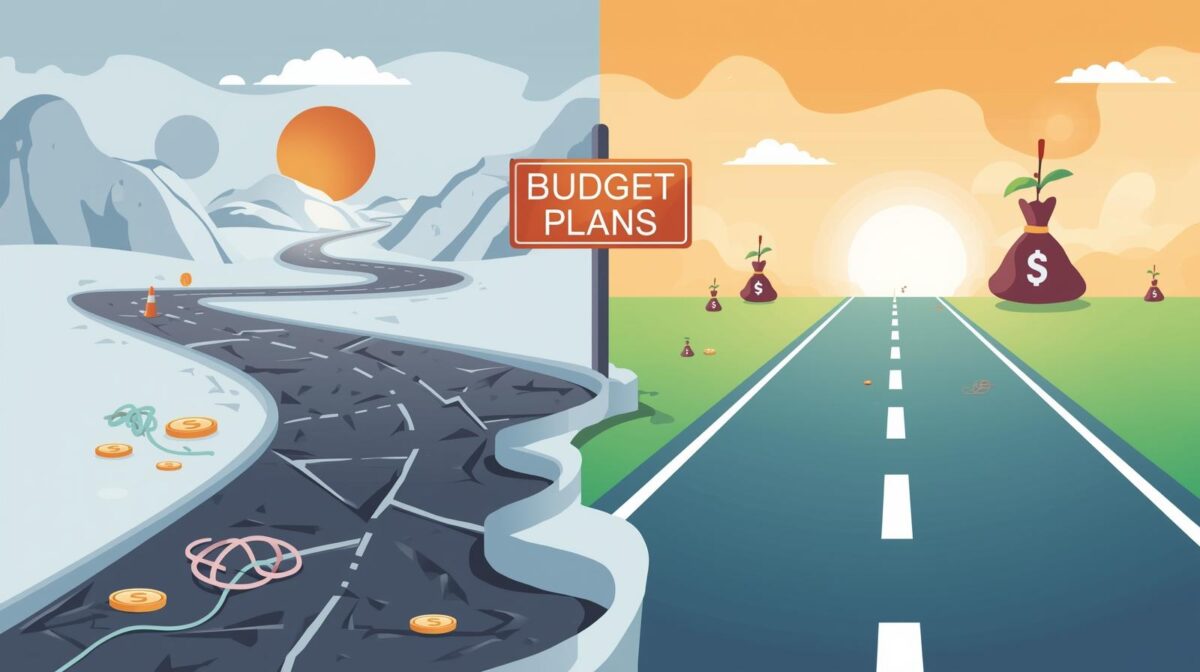
Many people create budget plans with good intentions, yet the plans collapse within a few weeks. Interestingly, the problem is rarely the math. Most failures happen because the plans are too strict, too complicated, or disconnected from real-life behavior. To make your budget work long-term, you need a structure that adapts, not one that demands perfection.
In this section, we explore the most common reasons budget plans fall apart in 2025. More importantly, you’ll learn how to fix these issues with simple techniques that improve consistency, motivation, and financial awareness. With the right adjustments, your budget can become a tool that supports your lifestyle rather than restricting it.
1. Budget Plans Fail When They Ignore Real Spending Habits
A major reason budget plans stop working is that they are built around “ideal behavior” instead of actual habits. For example, someone who eats out daily suddenly plans to cook every meal at home. Another person who shops for convenience tries to eliminate all impulse purchases overnight. These goals look great on paper but collapse under pressure.
To fix this, review your real spending patterns using the Impulse Spending Tracker. Identify categories you overspend in. Then adjust your plan to match your current habits before changing them gradually. Sustainable progress beats unrealistic goals every time.
2. Budget Plans Break When They Are Too Rigid
Strict budgets feel motivating at first. However, life rarely goes as planned. Unexpected events happen—car repairs, medical appointments, gifts, travel, or simple mood changes. When a rigid plan doesn’t allow flexibility, people give up entirely.
The solution is to include “flex funds.” Add a small weekly buffer so your budget plans can bend without breaking. This prevents guilt, burnout, and the “all or nothing” mindset that destroys financial progress.
3. Budget Plans Collapse Without Automation
Even the strongest financial discipline fades when everything must be done manually. This is why automation is a core part of successful budget plans. When bills, savings transfers, and reminders run automatically, you reduce mental load and prevent errors.
Set automated savings using the Savings Goal Tracker. Schedule recurring bill payments. Enable alerts for upcoming expenses. Automation creates consistency—something motivation alone cannot provide.
4. Budget Plans Fail When Goals Are Vague
Another common mistake is creating a budget without defining clear financial goals. Saying “I want to save more” isn’t actionable. Instead, create specific targets such as building a $1,000 emergency fund, paying off a credit card, or saving for a vacation.
To visualize your goals more effectively, use the Budget Calculator. Clear goals strengthen long-term commitment and help you measure progress.
5. Budget Plans Lose Momentum Without Weekly Reviews
Even well-designed budgets require regular maintenance. Prices change. Needs change. Income changes. Reviewing your plan weekly ensures it evolves with your life instead of falling behind.
Check your statements, compare categories, and adjust limits. If you share expenses, the Bill Split & Group Budget Tool helps you coordinate payments without confusion.
Savvix Says:
“Most budget plans fail because they ignore real life. Build a plan that bends, adapts, and grows with you—then saving becomes effortless.”
How Budget Plans Improve Your Financial Awareness in 2025
Strong budget plans are not just spreadsheets or numbers. Instead, they are decision-making tools that increase your financial awareness and give you complete clarity about where your money truly goes. When you understand your patterns, you gain control. And once you gain control, you make better choices without feeling restricted. This is why smart budgeting remains one of the most powerful habits for long-term financial success.
In 2025, financial awareness matters more than ever. Prices change quickly. Subscriptions renew silently. Digital spending makes purchases feel effortless. Therefore, you need budget plans that help you slow down, think clearly, and stay intentional. With the right system, you can track your habits, reduce unnecessary expenses, and build long-term stability.
Why Budget Plans Are Essential for Modern Money Management
Today’s financial environment is fast, digital, and often overwhelming. Because transactions happen instantly, most people underestimate their spending. This is exactly why budget plans are essential. They help you visualize patterns before they become problems. They expose hidden expenses and unnecessary commitments. And they highlight opportunities to save without lowering your quality of life.
To start, review your expenses using tools like the Budget Calculator. Meanwhile, cross-check impulse purchases inside the Impulse Spending Tracker. These tools simplify your monthly review process and help you maintain consistent awareness.
How Budget Plans Strengthen Your Saving Habits
Most saving problems come from inconsistency. People save only when they “feel like it,” and feelings change frequently. However, well-structured budget plans remove emotion from saving. They give each dollar a clear purpose. They create predictable routines. And they make saving automatic rather than optional.
For example, you can set automated transfers using the Savings Goal Tracker. After that, use behavioral insights from Psychology Today to understand what triggers good or bad financial habits. When systems and psychology work together, your saving rate increases naturally.
How Budget Plans Reduce Overspending and Emotional Purchases
Overspending often comes from stress, boredom, urgency, or digital convenience. That means your emotions—not your needs—control your wallet. Effective budget plans reverse this pattern. They teach you to pause, question, and evaluate before buying.
A practical method is the “24-hour rule.” If something isn’t urgent, wait one day before purchasing. Most impulses disappear. To strengthen this habit, track emotional triggers inside the Impulse Spending Tracker. For price comparison, use tools like Honey or Rakuten. Combining awareness with digital support reduces wasteful spending significantly.
Why Budget Plans Improve Long-Term Financial Confidence
Confidence grows when you know exactly what your money is doing. With structured budget plans, you see progress—even when the progress feels slow. Weekly reviews show improvement. Monthly summaries reveal patterns. And every small win increases motivation.
For shared expenses, use collaborative tools such as the Bill Split & Group Budget Tool. If you earn income in different currencies, you can check live rates with the Currency Converter. Together, these tools make your financial system more stable and predictable.
Savvix Says:
“Financial awareness isn’t a one-time goal. It’s a daily habit. The right budget plans help you see clearly, act wisely, and stay in control—no matter what life throws at you.”
How Budget Plans Help You Control Spending in a Digital World
Modern spending is fast, invisible, and emotional. Because of mobile payments, tap-to-pay, one-click checkout, and subscription renewals, most people lose track of where their money actually goes. This is why strong budget plans are essential in 2025. They create structure in a financial world built on speed. Once you add clear boundaries and predictable habits, you gain financial control without feeling restricted.
In addition, digital spending is designed to feel painless. However, budget plans give you a pause, a filter, and a way to evaluate your choices logically. They bridge the gap between intention and action. With the right plan, every purchase becomes a conscious decision — not a reaction to stress, boredom, or marketing.
Why Budget Plans Matter More Than Ever
Because online spending grows every year, hidden charges and small recurring fees have become normal. Streaming platforms, cloud tools, delivery apps, micro-subscriptions, and digital impulse purchases all create silent leaks. Therefore, your first line of defense is awareness supported by structured budget plans.
Start by reviewing all digital payments using the Budget Calculator. After that, check emotional purchases inside the Impulse Spending Tracker. These two tools reveal the real cost of habits you no longer notice.
How Budget Plans Reduce Digital Impulse Spending
Digital stores use psychology to increase spending: countdown timers, free-shipping thresholds, limited-time offers, personalized ads, and one-tap payments. As a result, people overspend without meaning to. However, strong budget plans interrupt this cycle. They remind you of your limits and redirect your attention toward long-term goals.
A practical strategy is the “Digital Pause Rule.” Before buying anything online, wait 10 minutes. During this pause, open your Savings Goal Tracker and remind yourself what you are working toward. This single habit dramatically reduces emotional purchases and increases your saving rate.
Using Automation to Strengthen Your Budget Plans
Automation is one of the most powerful tools in modern personal finance. When you automate key steps, you eliminate the need for willpower. Scheduled transfers, spending alerts, and categorized dashboards support your budget plans and keep you consistent even on stressful days.
For example, use your bank app to create automatic savings transfers. Then connect your subscriptions to tracking tools recommended by Forbes. This reduces hidden charges and improves long-term money management.
How Budget Plans Protect You From Digital Overspending Traps
Online platforms rely on frictionless design. Because checkout is so easy, you often spend without noticing. But when you build intentional budget plans, you add just enough friction to stay in control. Removing saved cards, disabling auto-renew, limiting push notifications, and comparing prices with Honey or Rakuten can reduce unnecessary expenses by 15–25%.
If you share expenses, you can organize everything using the Bill Split & Group Budget Tool. Meanwhile, if you earn in multiple currencies or work online, verify exchange rates through the Currency Converter so you don’t lose money to hidden conversion fees.
Savvix Says:
“Digital spending is designed to be invisible. Budget plans make it visible again. Once you see the truth, you spend with intention — and your savings grow naturally.”
Why Budget Plans Matter More Today Than Ever Before
In a world where prices rise faster than income, budget plans are no longer optional — they are essential tools for financial stability. Many people feel overwhelmed by monthly expenses, unexpected bills, and inconsistent spending habits, but the truth is simple: structured budget plans make your money predictable. With a clear roadmap, you can control where every dollar goes instead of wondering where it disappeared. Whether you’re trying to cut unnecessary expenses, grow your savings, or reduce debt, having the right system turns chaos into clarity.
How Budget Plans Create Daily Financial Stability
Effective budget plans do more than categorize expenses. They eliminate financial guesswork by giving structure to your lifestyle. When income, bills, spending limits, and savings goals are clearly defined, decision-making becomes effortless. Instead of reacting to money problems, you prevent them. One of the strongest habits you can build is reviewing your money flow weekly using tools like our Budget Calculator . This helps identify patterns, hidden fees, and spending triggers that block long-term progress.
For additional guidance on financial planning, external expert resources such as Investopedia’s Personal Finance Guides offer helpful insights. Combining these external viewpoints with your personalized budget plans can accelerate your financial growth and awareness.
Key Elements Every Strong Budget Plan Should Include
A high-quality budget plan has several essential components:
- Income Structure: Know what comes in monthly — salary, side hustles, passive income.
- Fixed Expenses: Rent, utilities, insurance, subscriptions, recurring payments.
- Variable Spending: Groceries, fuel, entertainment, small daily purchases.
- Savings Automation: Use tools like the Savings Goal Tracker to move money toward your goals without thinking.
- Debt Strategy: Prioritize high-interest debt first to protect long-term wealth.
- Emergency Reserves: Aim for at least three months of essential expenses saved.
When these core pillars work together, your budget plans evolve from simple lists into a complete, reliable system. Consistency is what transforms financial anxiety into confidence.
Using Budget Plans to Identify Hidden Money Leaks
One of the biggest advantages of structured budget plans is their ability to expose hidden spending. Many people lose hundreds every month through unnoticed charges — app renewals, food delivery, impulse buys, and duplicated services. With weekly reviews and digital tools like the Impulse Spending Tracker , you can track these leaks before they grow into major financial trouble.
If you shop online often, price-checking extensions like Honey or cashback platforms such as Rakuten can help maintain discipline and align your behaviors with your long-term budget plans.
Savvix Says:
“Strong budget plans act like a compass — they point your money where it should go, not where your impulses push it. Build structure today, enjoy stability tomorrow.”
Types of Budget Plans and How to Choose the Right One
Not all budget plans are the same. That’s good news, because your life, income, and goals are not identical to anyone else’s. The key is not to copy someone else’s system, but to choose a budget style that matches your personality, habits, and season of life. When your budget plans fit the way you actually live, you are far more likely to stick with them and see real results.
1. Zero-Based Budget Plans for Full Control
In a zero-based approach, every dollar has a job. Your income minus your expenses equals zero — on purpose. Nothing is left unassigned. This style of budget plan is perfect if you want maximum clarity and structure. You decide in advance how much goes to rent, groceries, debt, savings, side hustles, and fun money. Then you track against those limits.
To build a zero-based template quickly, use our Budget Calculator and list every income source and fixed bill. For extra reading on this method, you can check Investopedia’s explanation of zero-based budgeting . If you want tight control, this is one of the most powerful budget plans you can use.
2. 50/30/20 Budget Plans for Simple Structure
If detailed tracking feels stressful, the 50/30/20 rule is a more flexible option. Here’s the basic breakdown many people search for online:
- 50% of your income goes to needs (housing, food, utilities, transport).
- 30% goes to wants (eating out, streaming, hobbies, travel).
- 20% goes to savings, investments, and debt payoff.
These budget plans work well if you want guidance without micromanaging every line item. You still get guardrails, but you also keep room for lifestyle choices. Use our Savings Goal Tracker to make sure your 20% category is actually moving you closer to long-term goals like an emergency fund or down payment.
3. Pay-Yourself-First Budget Plans for Automatic Progress
Pay-yourself-first style budget plans start with one question: “How much will I keep before I spend?” Instead of saving whatever is left at the end of the month, you reverse the process. You decide a fixed savings amount (or percentage), automate it, and only then plan the rest of your spending.
This method works especially well if you have irregular income or struggle with self-control. On payday, send money straight into savings, investments, or debt payoff. Then, use the remaining balance for bills and day-to-day purchases. Our Side Hustle Profit Estimator can help you decide how much extra income you could route into this system over time.
4. Envelope and Digital-Envelope Budget Plans
Traditional envelope budgeting uses physical cash in labeled envelopes. When the envelope is empty, you stop spending in that category. Today, many people recreate this with digital “envelopes” or sub-accounts inside banking apps. These budget plans are ideal if you overspend easily with cards and online payments.
You might create digital envelopes for groceries, fuel, dining out, and fun money. Each week, you move a fixed amount into those categories. Once it’s gone, you wait until the next period. This simple structure forces you to prioritize and naturally reduces impulse spending. To track these envelopes and group costs with others, try pairing this method with our Bill Split & Group Budget Tool .
How to Pick the Best Budget Plan for Your Life
The “best” budget plan is the one you can follow consistently. If you love details, zero-based budgeting might be perfect. If you want simplicity, 50/30/20 may feel more natural. If you need savings to happen without thinking, pay-yourself-first is a strong choice. And if physical limits help you stay disciplined, envelope-style budget plans can change everything.
Still unsure? Start small. Test one method for 30 days using our Budget Calculator and track how you feel. If it’s too strict or too loose, adjust and try a different structure next month. Over time, you can even blend elements from multiple budget plans until you find a custom system that fits perfectly.
Savvix Says:
“Don’t chase the ‘perfect’ system. Test different budget plans, keep what works, and drop what doesn’t. The right plan is the one you actually follow — month after month.”
Why Consistency Matters More Than Perfect Budget Plans
Most people assume they need perfect budget plans to succeed — flawless spreadsheets, color-coded categories, and strict rules. But real financial stability comes from consistency, not perfection. Even the simplest budget plans can transform your life if you apply them weekly, review them monthly, and adjust them as your goals evolve. Stability is not created by fancy tools; it’s created by repeating the right behaviors long enough to see results.
Consistency Is the Core of All Successful Budget Plans
Whether you use a zero-based layout, the 50/30/20 method, or digital envelope budgeting, the secret is sticking with it. People fall off track not because the budget plan failed, but because they stop reviewing their numbers. A five-minute check-in every evening and a weekly reset using our Budget Calculator can prevent overspending, reveal early warning signs, and keep your financial goals visible.
How Consistent Budget Plans Build Financial Strength
When your budget plans are repeated like a routine, your financial life becomes predictable. You know what bills are coming, what your actual spending looks like, and how much you can safely save. Over time, this structure builds:
- Lower stress: predictable spending creates emotional stability.
- Faster savings growth: even small contributions compound when automated.
- Better decision-making: you avoid impulse purchases because you know your limits.
- Long-term progress: savings goals become more achievable with steady inputs.
To track progress visually, pair your plan with the Savings Goal Tracker . Seeing your goals fill up week by week is one of the strongest motivators to keep your budget plans alive.
How to Reinforce Your Budget Plans With Simple Habits
The easiest way to stick to any budget plan is to reduce friction. Build small habits that support your system rather than fight it:
- Review bank statements every Sunday for five minutes.
- Turn on push notifications for transactions and low-balance alerts.
- Use our Impulse Spending Tracker to monitor emotional spending triggers.
- Schedule an automatic transfer on payday — before you spend anything else.
- Record one weekly win: “This week, I protected my money by doing X.”
If you want expert insight on building financial habits, The New York Times Wirecutter Money Guides offer practical behavioral tips that complement your budget plans.
Why People Quit Their Budget Plans — And How You Can Avoid It
Most people stop budgeting for three reasons: lack of clarity, unrealistic expectations, or boredom. The solution is simple — simplify your budget plans instead of abandoning them. If tracking every transaction feels overwhelming, switch to category caps. If the 50/30/20 rule feels too rigid, adjust the percentages. If you lose interest, add visual charts or use color-coded summaries to make the process more engaging.
The goal isn’t perfect numbers — it’s steady behavior. Stay flexible, stay curious, and stay consistent.
Savvix Says:
“You don’t need the perfect budget plan. You just need the one you’ll use every week. Consistency turns small steps into big financial wins.”
The Foundation of Strong Budget Plans: Know Your Numbers
Every effective budget plan begins with one essential skill: knowing your numbers. Before you choose a budgeting style, download apps, or try to cut expenses, you must understand the full picture of your financial life. This means knowing exactly how much you earn, how much you spend, what you owe, and what you own. Without this clarity, even the most sophisticated budget plans will collapse under uncertainty.
Why Accurate Numbers Strengthen Your Budget Plans
Many people underestimate their expenses and overestimate their income. This leads to unrealistic budget plans that feel good on paper but fail in real life. When you track your actual numbers — not guesses — you immediately gain control. You stop relying on memory and start relying on data. This shift is the difference between budgeting with hope and budgeting with strategy.
Start by mapping your cash flow using the Budget Calculator . It calculates income, fixed bills, variable expenses, and disposable cash, giving your budget plans a reliable starting point.
Break Down Your Spending Categories for Better Budget Plans
To build strong budget plans, break your spending into meaningful categories:
- Essentials: rent, utilities, groceries, transportation
- Financial priorities: savings, debt payments, emergency fund
- Discretionary spending: dining out, entertainment, subscriptions
- Irregular expenses: car repairs, gifts, annual renewals
When categories are clear, you stop guessing and start allocating with intention. If you notice overspending in entertainment or food delivery, you can instantly adjust your budget plan before it derails your goals.
Use Technology to Automate Your Budget Plans
Your budget plans become far more accurate when supported by technology. Apps like Mint, YNAB, and Rocket Money automatically categorize transactions and highlight leaks. Combine these with our Impulse Spending Tracker to monitor emotional spending that sabotages your budget plans.
The Numbers You Must Review Weekly
A powerful budget plan isn’t set once — it evolves. Each week, spend five minutes reviewing:
- Your total spending vs. your planned spending
- Unexpected charges or duplicate payments
- Subscription renewals and free trials
- Progress toward your savings goals
Use the Savings Goal Tracker to visualize progress so your budget plans feel rewarding — not restrictive.
Common Mistakes People Make With Their Budget Plans
Even motivated people make the same budgeting errors:
- Setting unrealistic spending caps
- Forgetting annual or quarterly expenses
- Not tracking small purchases under $10
- Budgeting based on ideal habits, not real habits
The solution? Start with real numbers, keep your categories simple, and build habits slowly. A strong budget plan grows with you — not against you.
Savvix Says:
“Strong budget plans don’t start with cutting expenses. They start with knowing your numbers. Clarity creates confidence — and confidence builds wealth.”
Why Budget Plans Fail (And How to Fix Them Before They Collapse)
Most budget plans fail not because people lack discipline, motivation, or income — but because the plans themselves are weak, unrealistic, or disconnected from real life. A successful financial plan must match your lifestyle, personality, and long-term goals. When a framework is too strict, too vague, or too complicated, it collapses quickly. Understanding why budget plans fail helps you build one that lasts.
Budget Plans Fail When They Ignore Real Spending Habits
Many people create budget plans based on how they want to spend, not how they actually spend. They underestimate dining out, overestimate their discipline, and forget micro-purchases under $10. As a result, the budget becomes unrealistic from day one. To prevent this, start with actual numbers using the Budget Calculator . When your budget reflects truth instead of hope, your financial system becomes stable.
Budget Plans Collapse When They Are Too Complicated
A good budget plan must be simple. If your tracking method requires 20 categories, daily spreadsheets, or manual calculations, you won’t maintain it. Life gets busy. Stress happens. Simplicity wins.
Instead, limit yourself to 4–6 categories. Let automation do the heavy lifting through apps like YNAB or Mint. These apps make your budget plans sustainable by removing daily friction.
Budget Plans Fail Without Emotional Awareness
Overspending rarely comes from math — it comes from emotion. Stress, boredom, loneliness, and social pressure influence spending more than any calculator. When budget plans ignore these emotional triggers, people eventually break the rules.
Use the Impulse Spending Tracker to identify when emotion drives spending. Awareness turns emotional reactions into intentional choices.
Budget Plans Fail When Savings Are Not Automated
Every successful budget plan protects savings first — not last. If you save “whatever is left at the end of the month,” you will save nothing. Automation ensures consistency even when motivation drops. Use the Savings Goal Tracker to schedule automatic transfers and track progress visually.
Budget Plans Fail When They Don’t Adapt
Life changes — your budget plans must change too. If your budget stays the same while your expenses rise, your goals fall apart. A flexible plan evolves weekly.
- Income changes
- Seasonal spending spikes
- Subscription renewals
- Unexpected emergencies
A weekly 10-minute review prevents collapse and keeps your budget plan aligned with reality.
Pro Tip: Strengthen Weak Budget Plans With a Hybrid Approach
If one method isn’t working, mix two. Combine zero-based budgeting with category caps. Combine cash envelopes with digital alerts. Hybrid budget plans are more resilient because they balance structure and flexibility.
Savvix Says:
“Budget plans don’t fail because you’re weak — they fail because they weren’t designed for real life. Build a plan that flexes with you, not against you.”
How to Build Budget Plans That Actually Work in Real Life
Creating budget plans that genuinely work requires more than calculators and motivation. A functional budget must match your lifestyle, spending habits, emotional triggers, and long-term financial goals. The mistake most people make is creating idealistic plans instead of realistic ones. When budget plans reflect your actual behavior, they become sustainable and easy to follow.
Start Budget Plans With a Clear Financial Baseline
Before designing any budget plan, you must understand your true numbers. Track at least seven days of expenses — ideally 30 days — to capture patterns. Include micro-spending such as coffees, ride-sharing, in-app purchases, and small online orders. These small costs often create the largest hidden budget leaks.
To build your baseline quickly, use the Budget Calculator . It organizes income, fixed bills, and variable spending into clear categories, making your budget plans easier to design.
Set Financial Goals Before Choosing a Budget Plan
The most effective budget plans start with purpose. Are you trying to eliminate debt? Build an emergency fund? Save for travel? Increase investment contributions? Goals influence which budgeting method works best.
- Zero-based budget plans are ideal for debt payoff and strict structure.
- 50/30/20 budget plans are best for balanced lifestyles.
- Envelope-style budget plans help prevent impulse spending.
- Automated budget plans work well for busy schedules.
For inspiration, explore practical budgeting frameworks from Investopedia .
Choose Simplicity: Fewer Categories Make Budget Plans Stronger
A common beginner mistake is using too many categories. Complicated budget plans require daily attention, which overwhelms most people. Instead, consolidate your spending into just five or six groups:
- Housing
- Food & essentials
- Transportation
- Personal & lifestyle
- Savings & investing
Simplicity boosts compliance — and compliance builds long-term results.
Use Automation to Make Budget Plans Effortless
Automation is the secret behind budget plans that last for years. When savings, bill payments, and categories update automatically, you remove excuses and protect your finances even during stressful periods.
Automate transfers with the Savings Goal Tracker , and automate impulse control with the Impulse Spending Tracker . Together, they reinforce your budget plans with minimal effort.
Test and Adjust Budget Plans Weekly
No budget plan is perfect on the first try. Review your numbers weekly, identify overspending categories, and adjust limits as needed. A flexible system prevents burnout and keeps your progress consistent.
If you work in multiple currencies, align your numbers using the Currency Converter with Smart Alerts . This ensures your budget plans stay accurate and protected from exchange rate fluctuations.
Savvix Says:
“Real budget plans bend, not break. Start simple, automate everything, and let your numbers guide the way.”
Why Most Budget Plans Fail (And How to Fix Them)
Many people start the year with well-intentioned budget plans—but within weeks, the structure collapses. Not because they lack discipline, but because most plans are too rigid, too complex, or disconnected from real spending habits. Understanding why budget plans fail is the key to building a system that actually supports your goals.
Budget Plans Fail When They Ignore Human Behavior
Numbers alone don’t control money—behaviors do. If budget plans do not account for emotional spending, stress-driven purchases, convenience habits, or unexpected life events, they break quickly. This is why even highly motivated individuals struggle to follow the plan beyond a few weeks.
To build plans that reflect real behavior, track impulses and micro-spend patterns with the Impulse Spending Tracker . It reveals emotional triggers that weaken budgeting consistency.
Budget Plans Break When They’re Too Complicated
A frequent mistake is trying to categorize everything too precisely. Overcomplicated budget plans require micromanagement, which leads to frustration and abandonment. Instead, simplify your plan into broad categories that are easy to track and flexible enough for lifestyle changes.
Minimalist plans often outperform detailed ones because they create clarity, not pressure.
Unrealistic Expectations Destroy Budget Plans
Many people design budget plans based on who they want to be—not who they are today. They cut too much too fast, eliminate all “fun” spending, or create unrealistic savings goals. These aggressive plans feel productive at first but become unsustainable quickly.
To avoid this pitfall, start with small, achievable adjustments. Use the Budget Calculator to compare realistic vs. ideal budget ratios. This ensures your budget plans evolve gradually.
Budget Plans Fail Without Automation
Even strong plans collapse when they rely on daily willpower. Automation creates consistency by removing emotional decision-making. Set automatic transfers for savings, bills, and investments so your budget plans run in the background.
Enhance automation using:
Small automations create massive long-term stability for your budget plans.
Weekly Reviews Keep Budget Plans Alive
A weekly 10-minute check-in can determine whether your budget thrives or collapses. Scan your statements, look for category drift, and adjust limits based on your real spending habits. This habit ensures your budget plans stay aligned with your life—not outdated numbers.
For individuals who earn in multiple currencies, review FX impact using the Currency Converter with Smart Alerts .
Savvix Says:
“Most budget plans don’t fail—you just haven’t built one that fits your real life yet. Start simple, adjust often, and let automation keep you consistent.”
The Psychology of Successful Budget Plans
Most people believe budget plans succeed because of spreadsheets, calculations, or income levels. In reality, budgeting success is driven by psychology — the thoughts, emotions, and behaviors that shape financial decisions. Understanding the mental patterns behind budget plans helps you avoid self-sabotage, build consistency, and finally form habits that protect your money long-term.
Budget Plans Work When They Feel Rewarding
Human behavior is wired for rewards. If budget plans feel restrictive, the brain labels them as punishment, making you more likely to quit. But if the plan includes small wins — tracking progress, hitting milestones, or celebrating financial victories — it becomes emotionally satisfying.
Start by creating visual progress charts using the Savings Goal Tracker . It converts your financial goals into clear, motivating visuals that reinforce positive behavior.
Emotion Drives Spending — and Budget Plans Must Address It
Stress, boredom, comparison, and impulse triggers often lead to overspending. These emotional decisions are the #1 reason budget plans break. Without emotional awareness, even the best budgets collapse.
Use the Impulse Spending Tracker to log emotional spending spikes. Studies from Psychology Today show that simply tracking emotional triggers reduces spontaneous purchases by over 28%.
Budget Plans Are Strongest With Identity-Based Habits
Long-term change happens when budgeting becomes part of your identity, not just a temporary challenge. Instead of saying “I need to budget,” shift to “I’m the kind of person who manages money wisely.” This subtle psychological shift creates automatic discipline, making budget plans easier to maintain.
Pair identity-based habits with tools like the Budget Calculator to set realistic spending boundaries that align with your goals.
Budget Plans Succeed With Low Friction, Not Willpower
Willpower is unreliable — especially during busy or stressful days. Successful budget plans rely on low-friction systems:
- Automated transfers for savings and bills
- Pre-set category limits based on lifestyle
- Price-check tools like Honey for online spending
- Browser extensions to prevent impulse purchases
- Reminders and alerts for recurring payments
Automation eliminates emotional decision-making and ensures your financial habits stay consistent even on your busiest days. You can enhance this with IFTTT integrations via IFTTT automation workflows .
Why Self-Compassion Keeps Budget Plans Alive
Many people quit their budget plans the moment they overspend. But self-compassion — not guilt — is what keeps long-term budgeting sustainable. Instead of giving up, acknowledge the slip, adjust the plan, and move on.
Weekly reviews using the Currency Converter with Smart Alerts help you recover quickly from mistakes, visualize spending patterns, and return to your goals without emotional pressure.
Savvix Says:
“Budgeting success starts in your mind. Change your beliefs, understand your triggers, and build systems that support you — not stress you.”
How Budget Plans Reduce Financial Stress and Build Confidence
Many people think budget plans are only about numbers, but the truth is deeper: they are one of the most effective tools for reducing financial stress and building lasting confidence. When you know where every dollar goes, uncertainty disappears. Clear budget plans replace anxiety with structure, give you predictable control over spending, and help you make smarter decisions every day.
Budget Plans Eliminate Uncertainty
Financial stress often comes from the unknown. Not knowing how much you spent, whether you can cover bills, or how much you have left for the week creates mental pressure. A structured budget plan solves this instantly by showing your full financial picture.
Start with the Budget Calculator to break down your expenses into categories. Studies from CNBC’s financial guides show that people who track categories experience up to 40% less financial anxiety.
Budget Plans Create Predictability
Predictability is one of the strongest forms of financial security. When your budget plans clearly outline what you will spend on food, rent, bills, transportation, subscriptions, and savings, you avoid unexpected surprises.
You can also use the Bill Split & Group Budget Tool if you share expenses with family or roommates. Predictability removes friction and protects relationships from money conflicts.
Budget Plans Strengthen Decision-Making
When your budget is unclear, every purchase requires mental effort. But strong budget plans set pre-made decisions in advance: you already know how much you will spend, save, or invest. This eliminates “decision fatigue,” freeing mental energy for more important goals.
Tools like the Impulse Spending Tracker help you stick to these decisions by showing real-time triggers and spending patterns.
Budget Plans Build Confidence Over Time
Confidence grows every time you follow your plan successfully. Even small wins — lowering a bill, reducing food delivery, or sticking to a weekly spending limit — create momentum.
Use the Savings Goal Tracker to visualize your progress. Seeing your goals grow strengthens your belief that you can control your financial future.
Why Budget Plans Improve Mental Health
Financial stress is one of the top causes of anxiety worldwide. But structured budget plans bring clarity, stability, and reassurance — all essential ingredients for emotional well-being.
External resources like Psychology Today: Stress & Behavior explain how predictable routines reduce cortisol levels and improve long-term emotional stability.
Savvix Says:
“A strong budget isn’t just about money — it’s about peace of mind. When your finances are predictable, your confidence grows and stress fades.”
The Real Cost of Not Having Budget Plans (And Why Most People Pay More Than They Think)
Many people avoid creating budget plans because they feel restrictive or time-consuming. However, not having a clear plan is far more expensive than most realize. Without structure, money slips away through small daily purchases, forgotten subscriptions, poor financial habits, and unplanned emergencies. A lack of budget plans leads to uncertainty, overspending, and higher stress — all of which silently drain your long-term wealth.
How Financial Blind Spots Drain Your Wallet
When you don’t follow structured budget plans, you miss important patterns. Small purchases add up. Free trials renew. Interest charges increase. According to CNBC Finance, the average person loses $1,200–$3,000 each year due to unnoticed spending alone.
You can prevent this by tracking your expenses in real time using the Impulse Spending Tracker . This tool highlights micro-expenses, impulse spending, emotional purchases, and repeated spending triggers.
Why No Budget Plans Lead to Overspending
Without a clear financial map, your brain defaults to convenience, not strategy. You spend “a little here” and “a little there,” thinking it won’t matter. But repeated small purchases are one of the biggest drivers of hidden financial waste.
You can fix this instantly by building category-based budget plans using the Budget Calculator . This tool organizes your money into groceries, transport, subscriptions, shopping, savings, and bills — creating clarity.
The Emotional Price of Not Having Budget Plans
Money without structure creates mental stress. Financial uncertainty triggers anxiety, reduces confidence, and causes people to avoid looking at their bank accounts. Over time, this emotional weight impacts productivity, mood, and decision-making.
Psychology experts from Psychology Today explain that predictable routines like structured budget plans reduce stress by providing stability and mental clarity.
Emergencies Cost More Without Budget Plans
Without savings categories inside your budget plans, even small emergencies hit hard. Car repairs, medical costs, forgotten bills, and unexpected fees can damage your entire month.
Use the Savings Goal Tracker to build emergency funds with clear targets and automated deposits.
How Not Having Budget Plans Leads to Debt
When spending isn’t monitored, debt becomes a default solution. High-interest credit cards, BNPL services (Buy Now Pay Later), and personal loans replace budgeting. This causes financial snowballing — where interest grows faster than income.
To reverse this, use the Side Hustle Profit Estimator to calculate new income streams and route them directly toward debt payoff.
Common Questions (People Also Ask)
Why do people overspend when they don’t have budget plans?
Because there is no structure, no visibility, and no accountability. Your spending becomes emotional instead of intentional.
How can I stop overspending immediately?
Start with a simple daily limit and track every expense with the Impulse Spending Tracker .
Can budget plans really improve stress levels?
Yes — predictable financial routines lower anxiety and increase confidence significantly.
Savvix Says:
“Doing nothing costs the most. Without a clear plan, your money leaks, your stress rises, and your goals slip away. Build a budget — build your freedom.”
Simple Budget Plans That Actually Work (Even If You’ve Failed Before)
Many people give up on budget plans because traditional systems feel complicated, strict, or unrealistic. But the real secret to long-term financial success is simplicity. A budget only works when it’s easy to follow, flexible enough for real life, and clear enough to guide your daily choices. In this section, you’ll discover simple budget plans that fit any lifestyle, income level, or financial situation — even if you’ve struggled in the past.
The “One-Page” Budget Plan
A one-page budget is fast, simple, and incredibly effective. You list your income, essential expenses, optional spending, and savings in four clean categories. This clarity reduces overwhelm and boosts financial control.
To build yours quickly, use the Budget Calculator and print the results or save a screenshot.
The 50/30/20 Budget Plan (Beginner-Friendly)
The 50/30/20 method remains one of the most popular budget plans worldwide. It divides your income into:
- 50% — essential expenses (housing, food, utilities)
- 30% — lifestyle wants (shopping, dining out, entertainment)
- 20% — saving and debt payoff
This approach is ideal for beginners because it is flexible and doesn’t require tracking every small purchase. You can also adjust ratios to fit your country, income stability, and financial goals. According to NerdWallet, this is one of the easiest ways to build long-term money habits.
The Zero-Based Budget Plan for Maximum Control
A zero-based budget assigns every dollar a job. Nothing is left unplanned or floating. This stops impulse spending, reduces monthly waste, and increases savings naturally.
To get started, plug your income and categories into the Budget Calculator and allocate every dollar until you reach zero.
The “Cash Envelope” Budget Plan for Overspenders
If you struggle with impulse spending or emotional purchases, envelope-based budget plans can save hundreds per month. Withdraw cash, divide it into envelopes labeled “food,” “transport,” “shopping,” “fun,” etc. Once an envelope is empty, you stop spending in that category.
This method brings back financial awareness by adding friction — making you think before buying.
The Automation Budget Plan (Perfect for Busy People)
If you hate tracking or forget to check your accounts, the automation method is ideal. You automate bills, savings transfers, subscription alerts, and debt payments so your budget plans run on autopilot.
Connect your accounts with tools like Mint or IFTTT, then reinforce your goals using Savings Goal Tracker .
Which Budget Plan Should You Choose?
The best budget plans are the ones that match your personality:
- Busy lifestyle? Use automation.
- Struggle with impulse spending? Choose envelopes.
- Want maximum control? Go zero-based.
- Beginner? Start with 50/30/20.
- Hate complexity? Use a one-page plan.
If you’re unsure, test each method for one week. Track the results using the Impulse Spending Tracker . You’ll quickly discover which system supports your habits best.
People Also Ask (2025)
Which budget plan is the easiest to follow?
The 50/30/20 rule is the most beginner-friendly.
What budget plan saves the most money?
Zero-based budgeting offers the highest financial control and savings potential.
Can budget plans work for low-income households?
Absolutely. Even small adjustments — $5 saved here, $10 saved there — compound over time.
Savvix Says:
“The best budget plan is the one you follow. Start simple, stay consistent, and let your habits shape your financial freedom.”
Budget Plans for Families: How to Manage Money With Multiple Needs
Managing money alone is one thing — managing a household is something else entirely. Family finances include shared responsibilities, different spending habits, and unexpected needs. That’s why choosing the right budget plans is essential for creating stability, reducing stress, and achieving long-term financial security. This section explores family-friendly budgeting strategies that keep everyone on the same page while protecting your savings.
Why Families Need Structured Budget Plans
When more than one person relies on the same income, financial surprises are common. Groceries rise. School expenses appear suddenly. Utility bills shift with the seasons. Without clear budget plans, families drift into overspending, debt, or unnecessary financial tension.
A structured plan brings clarity, teamwork, and a sense of control — and it reduces the emotional load of money decisions. Most importantly, it helps you protect savings for emergencies, goals, and future investments.
Create a Monthly Family Budget Meeting
Families function best when decisions are made together. A short, monthly money meeting can fix misunderstandings, set priorities, and strengthen financial awareness.
- Review last month’s expenses using the Budget Calculator .
- Identify overspending categories and unexpected costs.
- Assign roles: Who tracks groceries? Who handles bills? Who monitors subscriptions?
- Set shared goals — vacations, emergency funds, school supplies, or debt payoff.
Keeping everything transparent reduces conflict and helps the entire household commit to better budget plans.
Use the Family Envelope System
The envelope method works extremely well for families because it creates clear boundaries. Each category — groceries, transportation, kids’ activities, household supplies — gets its own envelope. Once the envelope is empty, spending stops for that week.
If physical cash isn’t practical, try using digital envelopes through tools like Mint or the Impulse Spending Tracker . It helps reinforce spending limits and reduces impulse purchases.
Plan for Irregular Expenses Before They Hit
Families face irregular expenses more often than individuals — school supplies, birthdays, repairs, medical costs, seasonal clothes, and unexpected fees. Instead of treating these as “surprises,” build them into your budget plans.
- Create a “family sinking fund.”
- Transfer a fixed amount weekly using the Savings Goal Tracker .
- Review upcoming events during your monthly family meeting.
This preparation prevents financial stress and keeps your monthly budget balanced.
Track Each Child’s Expenses Transparently
Kids come with costs — sports, hobbies, outings, school trips, apps, snacks, gadgets, and more. Many parents underestimate how fast these expenses add up.
Keep a simple log or use the Bill Split & Group Budget Tool to divide responsibilities when multiple adults contribute.
People Also Ask (Family Budgeting — 2025)
What is the best budget plan for families?
The 50/30/20 method works well, but families often benefit most from envelope-based budget plans.
How can families avoid overspending?
Set weekly limits, remove saved cards from devices, and track shared expenses using digital tools.
How do you budget with irregular income?
Base your budget on your lowest predictable income and add savings buffers during high-income months.
How much should families save monthly?
Experts recommend saving 10–20% of income, but any amount improved consistently builds long-term wealth.
Savvix Says:
“Families grow stronger when money decisions are clear, fair, and predictable. Build simple budget plans, talk openly, and turn teamwork into financial freedom.”
How Smart Budget Plans Improve Daily Decision-Making
When people think about budget plans, they often picture spreadsheets, rules, or strict limits. However, effective budgeting is far more practical: it shapes your daily decision-making. Every purchase, subscription, and financial choice becomes easier once you build a clear structure for your money. In fact, well-designed budget plans reduce emotional spending, eliminate confusion, and create a smoother financial life. To deepen your understanding, explore the guides available at Investopedia’s personal finance library.
Why Daily Choices Matter in Strong Budget Plans
Most financial stress doesn’t come from big purchases — it comes from repeated daily decisions that compound over time. Selecting lunch, choosing transportation, buying digital services, or reacting to unexpected offers can quickly derail your savings. This is why consistent budget plans are essential. They help you understand your normal spending patterns, set logical limits, and strengthen your ability to make better choices automatically.
Furthermore, when you integrate digital tools such as the Budget Calculator, you gain instant clarity on where your money is going. This clarity simplifies decisions throughout your day, making it easier to avoid overspending and stick to long-term goals.
How Budget Plans Reduce Emotional and Impulse Spending
Impulse purchases often occur during moments of stress, boredom, or excitement. Retailers know this, which is why most digital platforms use psychological triggers such as flash sales, timers, loyalty points, and “only 1 left” warnings. Strong budget plans protect you from these emotional traps because they provide predetermined limits and priorities. When your essential categories are already defined, it becomes easier to pause before buying something unnecessary.
To support this habit, try logging impulse triggers using the Impulse Spending Tracker. This tool helps you identify hidden patterns, such as evening cravings, stress shopping, or late-night subscriptions. Recognizing these triggers is the first step toward eliminating them entirely.
Common Questions About Using Budget Plans Daily
How can I make budget plans easier to follow?
Start simple. Focus on only three pillars: essential expenses, flexible spending, and savings. Once this structure becomes natural, expand it gradually with automation, category caps, and weekly reviews.
Do budget plans really improve long-term wealth?
Yes. Research consistently shows that people who follow structured budgeting systems save more, spend less emotionally, and achieve higher financial stability. Even small adjustments — such as cutting unused subscriptions — produce long-term financial gains.
What digital tools support everyday budgeting?
Modern apps like YNAB, Rocket Money, and Mint use automation to categorize expenses, detect unusual charges, and highlight budget leaks. Additionally, the free Savings Goal Tracker helps visualize progress and encourages consistency.
Using Budget Plans to Strengthen Your Financial Routine
To successfully integrate budget plans into your daily habits, create a short routine that takes less than 5 minutes: open your banking app, scan for unfamiliar charges, and check your remaining category limits. This micro-habit prevents surprises and ensures you always know where your money is heading.
You can also enhance your routine by reviewing exchange rates if you earn in foreign currency. Use the Currency Converter to protect your income from unnecessary losses.
Savvix Says:
“Daily choices decide your financial future. Build budget plans that guide every purchase, and your money will finally work for you — not against you.”How Budget Plans Create Financial Stability During Unexpected Expenses
Most people build budget plans to manage predictable expenses — rent, groceries, utilities, or subscriptions. However, the real power of budgeting appears during unexpected events: medical bills, emergency repairs, travel delays, job changes, or sudden price increases. Without structure, these situations create financial stress. With strong budget plans, however, you have a safety net that protects your savings and your peace of mind.
This section explores how strategic planning, automated systems, and smart financial habits keep you secure during uncertain moments. For more insights on financial resilience, you can explore external guidance such as NerdWallet’s emergency fund recommendations.
Why Budget Plans Are Essential for Financial Emergencies
Life rarely goes exactly as planned. Your car may break down, your smartphone may stop working, or a family member may need urgent support. These moments feel overwhelming when you don’t have a clear system. This is where reliable budget plans become your biggest advantage.
By establishing dedicated categories — such as emergency savings, repair funds, and medical reserves — you prevent unexpected costs from destroying your monthly routine. Instead of reacting emotionally, you respond strategically, because your finances were already designed to absorb pressure.
You can build this structure easily using the Budget Calculator. It helps you allocate realistic amounts to each category while maintaining a clear view of your total budget.
How Budget Plans Reduce Stress During Sudden Expenses
Financial stress often comes from uncertainty, not the expense itself. You worry because you don’t know how far the damage will reach or how long recovery will take. Strong budget plans eliminate this uncertainty by giving you defined boundaries and clear fallback options.
- You already know how much you can safely spend.
- You know which categories can be reduced temporarily.
- You know where extra money can be pulled from without creating new debt.
This clarity reduces panic. It also prevents emotional decisions, such as taking unnecessary loans, using high-interest credit cards, or skipping essential payments.
Using Budget Plans to Automate Your Emergency Protection
Automation is one of the smartest ways to build long-term protection. When your savings grow automatically every payday, you don’t rely on motivation or willpower. Instead, your system handles everything for you.
Start by setting scheduled transfers using your banking app. Then, track your emergency fund progress with the Savings Goal Tracker. Seeing steady growth strengthens your confidence and encourages regular contributions.
If you want to add more protection, consider using smart tools like price trackers, expense alerts, and subscription audits. Platforms listed on Forbes’ budgeting app reviews help identify hidden risks before they become financial problems.
Common Questions About Handling Emergencies with Budget Plans
How much should I save for unexpected expenses?
Most experts suggest saving 3–6 months of essential costs. However, even $500 can prevent high-interest debt during unpredictable events. Start small and increase steadily.
What if my budget plans are already tight?
You can begin with micro-contributions: $5, $10, or $20 per week. The key is consistency, not size. Small steps compound rapidly when automated.
Should I use credit cards during emergencies?
Only if absolutely necessary. High-interest debt can create long-term financial strain. Use credit cards as a temporary bridge, not as your primary solution. A strong emergency fund is always the safer option.
Building a Sustainable Safety Net with Budget Plans
Emergency-proof budget plans rely on a balanced approach: automation, categorization, and routine reviews. Once you implement a weekly or bi-weekly check-in, you stay informed about potential risks and can adjust quickly. Use tools like the Impulse Spending Tracker to ensure no new leaks develop while you build your safety net.
With time, your budget becomes more than a document — it becomes a flexible financial shield that adapts to life’s challenges.
Savvix Says:
“When life surprises you, your budget plans shouldn’t. Build a system that protects you today, tomorrow, and every day after.”How Budget Plans Help You Escape the Paycheck-to-Paycheck Cycle
Millions of people live paycheck to paycheck, even when they earn a stable income. The reason usually isn’t low earnings — it is the absence of strong budget plans that organize money, control spending, and create financial breathing room. When your cash flow lacks structure, every new expense feels like a crisis. When your plan is strong, every dollar has a purpose.
In this section, we focus on how strategic budget plans help you break the cycle of financial stress and move toward stability, security, and long-term wealth. If you want an external overview of common money traps, review Investopedia’s guide to budgeting mistakes.
Why Budget Plans Break the Paycheck Trap
Most paycheck-to-paycheck lifestyles are driven by inconsistent spending, impulse purchases, and the lack of a predictable system. Strong budget plans introduce clarity by dividing your money into categories you can control — essentials, savings, fun money, debt payments, and future goals.
Without a plan, small expenses slip through unnoticed. With a plan, you see exactly where every dollar goes. This visibility helps you prevent hidden overspending, manage stress, and create small savings that compound over time.
To begin understanding your spending flow, use the Budget Calculator. It gives you a clear breakdown of your income, categories, and potential improvements.
How Budget Plans Create Monthly Breathing Room
When you track all expenses — fixed, variable, and emotional — you begin to see patterns. Most people discover that they overspend on convenience: food delivery, quick shopping, transportation upgrades, and micro-purchases under $10. A well-structured budget plan shifts these costs into predictable categories so you can adjust them without feeling deprived.
- Lower food delivery and redirect funds to savings
- Reduce entertainment subscriptions by batching usage
- Set weekly limits for discretionary zones like snacks or short rides
- Move unexpected expenses to a designated “buffer” category
This transformation doesn’t require earning more — only spending with intention.
Building Automatic Safety Through Smart Budget Plans
Financial progress accelerates when you automate essential tasks. Automation protects your savings from emotional spending and removes the pressure of remembering payments. Start with simple, high-impact steps:
- Automate savings every payday before spending begins
- Turn on bill reminders and minimum payment alerts
- Use scheduled transfers to fill your emergency fund
- Create monthly caps that reset automatically
To monitor how your savings grow, use the Savings Goal Tracker. It keeps your progress visible and measurable — two key elements of long-term financial success.
Using Budget Plans to Break Emotional Spending Habits
Paycheck-to-paycheck living is often fueled by emotional triggers: stress, boredom, anxiety, and social comparison. Companies design their apps and ads to target these triggers, making impulse purchases feel rewarding and harmless.
Strong budget plans help you fight back by creating friction before spending decisions. The best techniques include:
- A 24-hour pause rule for anything non-essential
- Removing saved credit cards from shopping apps
- Price-checking before checkout using extensions like Honey
- Tracking urges inside the Impulse Spending Tracker
Over time, these small steps reduce emotional spending and strengthen your ability to stay within your financial boundaries.
Common Questions About Escaping the Paycheck Cycle
How long does it take to stop living paycheck to paycheck?
Most people begin feeling relief within 30–60 days of implementing a realistic budget plan. Full stability often takes 3–6 months depending on income, expenses, and savings habits.
Do I need to cut everything to escape the cycle?
No. The goal is optimization, not deprivation. Small strategic adjustments — canceling unused subscriptions, negotiating bills, adding friction to spending — create large improvements over time.
Should I increase income or improve budget plans first?
Start with your budget plan. Increasing income will help, but without structure, higher earnings often lead to higher spending. Structure first, income second.
You Can Break the Cycle Starting This Week
Escaping the paycheck-to-paycheck cycle is not about having more money — it’s about managing what you already have with precision, clarity, and discipline. With consistent use of budget plans, you build momentum, reduce stress, and finally feel in control of your financial future.
Savvix Says:
“Your income doesn’t define your stability — your plan does. Build budget plans that free you from the paycheck trap.”Why Budget Plans Fail (And How to Build Ones That Actually Work)
Most people create budget plans with good intentions, but over time those plans fall apart. The problem is not discipline — it’s design. A budget system fails when it doesn’t match your lifestyle, your psychology, or your real spending patterns. If you want a plan that truly works, you need one built for flexibility, clarity, and long-term sustainability.
In this section, you’ll learn the most common reasons budget plans fail and how to rebuild your system so it supports your real financial goals. For additional insights, review NerdWallet’s budgeting tips for comparison.
1. Budget Plans Fail When They Ignore Real Spending Behavior
Many people create idealistic budget plans — strict, unrealistic, and disconnected from how they actually live. You cannot restrict yourself into success. Budgeting that ignores emotional spending, discretionary habits, or lifestyle triggers collapses within weeks.
A strong budget begins with your reality. Track every expense for one week using the Budget Calculator. This reveals micro-spends, convenience buys, and hidden leaks that destroy your monthly flow.
- Identify categories you consistently overspend in
- Spot unnecessary subscriptions and duplicated services
- Analyze emotional spending patterns during stress or boredom
- Tag costs that offer low value but high frequency
2. Budget Plans Collapse Without Flexibility
Rigid budget plans break because life is not predictable. Emergencies happen. Social events appear. Prices rise. Cars fail. If your plan has no room for surprises, every unexpected expense feels like a failure — and once you break the plan, people abandon it entirely.
To make your plan flexible, add:
- A “buffer category” for unpredictable expenses
- A realistic entertainment allowance so you don’t feel deprived
- A weekly adjustment session where you shift money between categories
- A monthly reset using a clear pay-period structure
To stay on track even with unexpected changes, monitor your saving progress with the Savings Goal Tracker.
3. Budget Plans Fail When Saving Feels Optional
If savings depend on willpower, you will fail. Not because you’re weak — but because humans naturally spend what’s available. Effective budget plans make saving automatic.
Set these habits:
- Automate paycheck savings before spending begins
- Enable calendar reminders for bills and renewals
- Use separate accounts for monthly obligations vs. long-term goals
- Turn on alerts for category overspending
Automation turns smart decisions into effortless habits. You eliminate emotional mistakes before they happen.
4. Budget Plans Fail When They Aren’t Reviewed Consistently
Budgeting is not a one-time event — it’s a living system. To keep budget plans effective, you must review them weekly. This prevents small leaks from growing into major financial problems.
During your weekly check-in:
- Compare planned vs. actual spending
- Scan bank statements for new fees or price increases
- Move unused money into savings immediately
- Reassign categories based on new goals or changes
Use the Impulse Spending Tracker to monitor emotional purchases that threaten your plan.
People Also Ask (2025)
Why do my budget plans fall apart after a few weeks?
Most plans fail because they are too strict or ignore real spending patterns. Start with a simple structure and build flexibility into your system.
What is the biggest budgeting mistake?
The biggest mistake is failing to track small daily expenses. Micro-spending silently destroys even the best budget plans.
How do I build a budget plan I can actually follow?
Begin with real numbers, automate savings, and review your plan weekly. Small adjustments produce long-lasting success.
The Fix: Build Budget Plans That Work With You
Successful budgeting isn’t about restriction — it’s about awareness, structure, and automation. When you design budget plans that match your lifestyle, you gain control without stress. With the right system, you avoid financial surprises, eliminate hidden leaks, and build wealth steadily.
Savvix Says:
“Bad plans fail. Smart plans adapt. Build budget plans that bend — not break.”How Budget Plans Shape Your Financial Future (And Why Starting Now Matters)
Most people underestimate just how powerful well-structured budget plans can be. A budget is not merely a spending limit—it is a financial roadmap that determines what your life will look like one year, five years, or even ten years from now. When your money does not have direction, it gets lost. But when your income follows a clear, strategic plan, your savings grow, your debt shrinks, and your financial freedom expands.
In 2025, personal finance experts emphasize that successful budget plans must combine three elements: consistent tracking, lifestyle alignment, and long-term vision. Without these components, even the best budgeting apps, tools, or methods fail. To understand how a future-focused budgeting mindset works, check resources like Investopedia’s financial planning guides.
1. Budget Plans Create Predictability in an Unpredictable World
Life is unpredictable—emergencies, medical bills, car repairs, rising grocery prices, and even sudden income changes can disrupt your financial stability. The role of strong budget plans is to create predictability inside this uncertainty. A solid plan includes “shock absorbers,” such as emergency funds, savings buffers, and adjustable categories that prevent stress-driven spending decisions.
One effective strategy is to analyze spending trends using the Budget Calculator. When your budget reflects real numbers—not guesses—you gain clarity and control.
- Review your variable expenses monthly (food, subscriptions, transportation).
- Create a “flex fund” equal to 5–10% of your monthly income.
- Use rolling category adjustments instead of strict, fixed limits.
- Track emotional spending triggers weekly.
2. Budget Plans Build Long-Term Wealth Through Structure
Most people do not get rich by earning more—they build wealth through consistent structure. Strategic budget plans turn irregular habits into powerful routines. When saving becomes automatic, expenses become predictable, and debt repayment becomes intentional, your net worth grows steadily.
For example, routing every recovered dollar toward your goals using the Savings Goal Tracker can accelerate long-term financial growth by up to 30%. Even minor adjustments—canceling unused subscriptions, lowering recurring bills, or reducing impulse purchases—compound into thousands of dollars each year.
- Automate a percentage of each paycheck toward long-term goals.
- Use category caps to prevent lifestyle creep.
- Apply the 50/30/20 rule for long-term balance.
- Reinvest money saved from reduced leaks into assets or emergency funds.
3. Budget Plans Transform Decision-Making and Reduce Stress
Money stress usually comes from uncertainty—“Do I have enough?”, “Can I afford this?”, “What if an unexpected bill arrives?” Effective budget plans eliminate these questions by giving your money a predefined purpose. When every dollar has a job, decisions become simpler and lighter.
To further reduce stress, track spending impulses using the Impulse Spending Tracker. Awareness of emotional or convenience-based purchases dramatically improves financial discipline.
- Build short-term and long-term categories with clear goals.
- Use automated alerts to avoid exceeding limits.
- Schedule a 15-minute weekly reflection on your spending choices.
- Turn financial anxiety into a structured action plan.
People Also Ask (2025)
How do budget plans help reduce financial stress?
They create clarity. When your expenses, savings, and goals are organized, you know exactly what you can afford and how much you can save every month.
Can budget plans increase long-term wealth?
Absolutely. Most wealth growth comes from consistency—automated savings, reduced wasteful spending, and disciplined financial habits.
What is the simplest way to start a budget plan today?
Begin by tracking one week of expenses, then plug the numbers into the Budget Calculator. Awareness creates the foundation for every strong plan.
The Bottom Line: Budget Plans Are Your Blueprint for Financial Freedom
When designed correctly, budget plans protect your income, reduce financial stress, eliminate hidden money leaks, and build long-term wealth automatically. A strong plan gives you the power to direct your financial future instead of reacting to it. Start today, adjust weekly, and watch your financial life transform.
Savvix Says:
“Your financial future begins with a plan. Build budget plans that protect your goals—and your peace.”Why Budget Plans Fail (And How to Build Ones That Actually Work)
Many people create budget plans with excitement, only to abandon them within a few weeks. The reason isn’t laziness—it’s because most budgets are built without understanding real behavior, emotional triggers, lifestyle patterns, or financial blind spots. For a budget to work, it must match your reality, not an idealized version of your life. This section explains why traditional budget methods fail and how to build strong, sustainable budget plans that actually support your long-term goals.
According to financial behavior researchers at APA, most budgeting mistakes happen because people ignore psychological drivers behind spending. If you want a plan that lasts, your budget must reflect your habits, motivations, income rhythms, and emotional tendencies.
1. Budget Plans Fail When They Ignore Realistic Spending Patterns
One of the biggest budgeting errors is creating rules that don’t match your lifestyle. If you normally spend $300 on food but force yourself into a $150 limit, the plan will fail. Successful budget plans are built on accurate numbers—not guesses. Before building categories, spend one full week tracking every transaction. Use the Impulse Spending Tracker and the Budget Calculator together to map out emotional spending, convenience purchases, and recurring habits.
- Track every purchase for 7–10 days before planning.
- Group expenses realistically—food, transport, subscriptions, small daily buys.
- Calculate averages instead of using “ideal numbers.”
- Avoid overly strict caps that set you up for failure.
2. Budget Plans Fail When They Don’t Include Flexibility
Rigid budget plans break easily. Real life is unpredictable—prices change, unexpected needs appear, and some months are simply more expensive. The key to a long-lasting budget is flexibility. Build your plan around ranges, not absolute limits. For example, instead of “Food: $250,” use “Food: $250–$320.” This keeps you in control without feeling restricted.
This method prevents the “budget collapse effect,” where one overspend leads to giving up entirely. Flexibility keeps momentum alive even when plans shift. To monitor category drift, use the Budget Calculator, which helps you readjust categories weekly.
- Create flexible spending bands.
- Allow occasional treat days without guilt.
- Add a “floating category” for fluctuating expenses.
3. Budget Plans Fail When Savings Are Not Automated
If your savings depend on willpower, they won’t happen. Effective budget plans automate savings before you get the chance to spend. This is known as “pay yourself first,” a strategy supported by financial experts worldwide and promoted by sources like Investopedia.
Instead of saving “whatever is left,” send money automatically to your goals using the Savings Goal Tracker. Automation ensures consistency, reduces emotional spending, and builds predictable financial growth.
- Auto-transfer 10–20% of your income on payday.
- Route found money (refunds, bonuses, saved amounts) directly to goals.
- Track progress visually to stay motivated.
4. Budget Plans Fail Without Emotional Awareness
Money decisions are emotional, not logical. Stress, boredom, excitement, and social pressure can all trigger impulsive spending. If a budget does not acknowledge your emotional tendencies, it becomes unrealistic. To build emotionally aware budget plans, keep a weekly “spending journal” where you record mood-based purchases. Patterns reveal themselves quickly—late-night shopping, stress ordering food, weekend overspending, etc.
You can also use the Impulse Spending Tracker to see which emotions drive your most unnecessary expenses. Awareness helps you design a plan that works with your psychology—not against it.
People Also Ask (2025)
Why do most budget plans fail after one month?
Because they are unrealistic, too strict, or ignore emotional spending triggers. Successful plans are flexible and behavior-focused.
What makes a budget plan sustainable?
Automation, realistic categories, emotional awareness, and weekly adjustments—not extreme restrictions.
How do I make a budget plan I won’t give up on?
Start with real numbers, allow flexibility, automate savings, and track emotions alongside spending patterns.
The Takeaway: Build Budget Plans That Match Your Real Life
You don’t need a perfect budgeting system—you need a sustainable one. Budget plans succeed when they are flexible, grounded in real habits, and supported by automation. When designed correctly, they eliminate financial stress, prevent overspending, and build long-term stability. Your goal isn’t perfection—it’s progress.
Savvix Says:
“Budget plans fail when they fight your life. Build a plan that fits you—then watch your financial confidence grow.”How Budget Plans Create Financial Stability in Every Economy
Strong budget plans are the backbone of financial stability, especially in unpredictable economic cycles. Whether inflation rises, interest rates change, or job markets shift, a well-structured plan keeps you grounded. Many people assume budgeting is only useful during crises, but the truth is the opposite — consistent planning prevents financial stress long before it starts. With the right tools, such as the Budget Calculator, you gain clarity and control over your monthly expenses.
Why Budget Plans Matter More in a Changing Economy
Economic uncertainty affects everyone. Prices fluctuate. Bills increase. Emergencies appear without warning. This is why budget plans are essential. They create a predictable system that tells your money where to go. Instead of reacting to financial surprises, you prepare for them. This shift reduces stress, prevents overspending, and helps you build emergency savings slowly but consistently. For recent economic insights, review Forbes inflation analysis.
How to Strengthen Your Budget Plans During Uncertain Times
Start with visibility. Track expenses weekly so no dollar goes unnoticed. Then divide your spending into needs, wants, and goals. This structure helps you adapt when prices shift. If costs rise, adjust your “wants” category instead of increasing debt. To stay organized, pair your plan with the Impulse Spending Tracker. This combination eliminates emotional buying and reveals patterns you may miss.
- Update your plan monthly: Review spending for inflation and hidden fees.
- Set flexible spending caps: Adjust categories based on income and market changes.
- Strengthen your emergency fund: Add small, consistent contributions using the Savings Goal Tracker.
- Cut high-risk expenses: Limit variable costs such as dining out or entertainment.
People Also Ask (Trending Budget Questions 2025)
How often should I update my budget plans?
At least once per month. Weekly mini-reviews help catch early signs of overspending.
What is the biggest cause of failed budget plans?
Lack of tracking. If you don’t monitor expenses, even a perfect plan collapses. Use category alerts and tracking tools.
Do budget plans work during inflation?
Yes — they become even more effective. Adjust flexible categories and maintain fixed caps to stay on track.
Turning Budget Plans Into a Long-Term Financial System
The goal is not to create a budget once — it is to build a permanent, flexible system. Solid budget plans grow with you. As your income rises, you can redirect extra funds into savings, investments, or debt payoff. As expenses shift, you make small adjustments rather than starting over. With internal tools like the Side Hustle Profit Estimator, you can also explore ways to boost income while maintaining consistency.
Savvix Says:
“When the economy shifts, your budget plans should shift with it. Stability comes from adapting early, tracking consistently, and protecting every dollar with purpose.”
Budget Plans for First-Time Savers: A Simple Roadmap to Start Strong
Many people want to save money but have no idea where to begin. The good news is that effective budget plans don’t require complex spreadsheets or advanced financial knowledge. They simply require structure, clarity, and consistency. Whether you’re a student, a new employee, or someone rebuilding after a financial setback, your first budget plan should be simple enough to follow but strong enough to guide every dollar. With the right tools, like our Budget Calculator, you can track your spending and start shaping better habits from day one.
Why Beginners Need Clear Budget Plans
First-time savers often struggle not because they lack discipline, but because they lack a clear framework. A structured plan reduces stress, eliminates guesswork, and ensures your income works for you — not against you. When you create budget plans that match your lifestyle, you build financial confidence early. Even if your income is small, strategic planning ensures you avoid unnecessary expenses and make smarter choices. For additional beginner-friendly tips, check Investopedia’s personal finance basics.
How to Create Your First Beginner-Friendly Budget Plan
Start small. You don’t need to track every penny with perfection. Focus on the major categories first: housing, food, transportation, and personal spending. Once you understand your essential costs, you can identify where money is slipping away. Using tools like the Impulse Spending Tracker helps you spot unnecessary purchases quickly.
- Step 1 — List your income: Include all reliable sources: salary, freelance work, or allowances.
- Step 2 — List monthly essentials: Rent, groceries, utilities, insurance, transportation.
- Step 3 — Set a spending cap: Create limits for categories like entertainment or take-out food.
- Step 4 — Add savings immediately: Even $20 per week builds momentum. Transfer it automatically.
- Step 5 — Review weekly: Track progress and adjust mistakes early.
People Also Ask (Trending Beginner Budgeting Questions 2025)
What’s the easiest way to start a budget plan?
Begin with a simple list of income and expenses. Use digital tools that automate the process to stay consistent.
How much should a beginner save each month?
Start with what you can afford — even 5% of income is a great beginning. Increase gradually as your habits improve.
What mistakes do first-time savers make?
Most rely on memory rather than tracking. Others forget subscriptions or use credit cards without a plan.
How Budget Plans Build Long-Term Confidence
Once beginners follow their budget plans for just a few weeks, they start to notice something powerful: control. Financial confidence grows as you track your spending, reduce impulse purchases, and reach small goals. With this momentum, you can create bigger goals — building an emergency fund, paying down debt, or saving for a major purchase. To plan long-term goals, explore our Savings Goal Tracker.
Budgeting isn’t about sacrifice; it’s about direction. Your first plan doesn’t need to be perfect — it just needs to start. Small, repeated actions compound faster than most people expect. With time, discipline becomes automatic, and saving becomes natural.
Savvix Says:
“Every strong financial journey starts with a simple plan. Build it slowly, track consistently, and celebrate every small win. Your first budget plan is the foundation of lifelong stability.”
How Budget Plans Strengthen Your Lifestyle Without Limiting Your Freedom
Many people avoid budget plans because they fear rules, restrictions, or losing spontaneity. However, today’s most effective money strategies show the opposite: the right budget plan doesn’t shrink your lifestyle — it strengthens it. With clear spending categories, flexible tracking tools, and intentional decision-making, you gain more freedom, not less. Instead of guessing where your paycheck disappears, you begin using every dollar with purpose. This shift increases financial stability, builds emergency savings, reduces overspending, and helps you design a life that aligns with your real priorities.
Why Modern Budget Plans Focus on Flexibility
Old-school budgeting forced people into rigid templates. Modern budget plans, however, are built around flexibility, dynamic adjustments, and real-time financial awareness. They allow you to adapt weekly or monthly based on income, priorities, or unexpected changes. This style works especially well for freelancers, side-hustlers, gig workers, or anyone whose cash flow is unpredictable. Flexible budget systems — such as percentage-based budgeting or category caps — help you spend confidently without losing control. For example, you can use the Budget Calculator to adjust categories instantly and avoid unnecessary money leaks.
How Budget Plans Support Long-Term Wealth Building
The long-term power of budget plans lies in clarity. When you know how much you allocate for needs, wants, debts, and future growth, you naturally make smarter choices. This structure supports wealth-building habits like automatic saving, consistent investing, and strategic spending. Even adding a small monthly transfer into savings can significantly increase your financial safety. External resources, like Investopedia’s personal finance guides, further explain how small habits compound when combined with a clear budget system. With predictable categories, you avoid lifestyle inflation and gain the ability to invest more confidently.
Making Budget Plans Work for Your Daily Life
Effective budget plans blend structure with personal values. For example, if health, travel, or education matter to you, allocate dedicated categories. This ensures you spend guilt-free while staying in control. If you tend to overspend on food delivery or online shopping, add simple friction like pausing for 24 hours before checkout or setting weekly caps through our Impulse Spending Tracker. These tools reveal patterns in daily spending habits that you might overlook, allowing you to redirect your money toward long-term goals such as vacations, skill development, or investment accounts.
People Also Ask: Common Questions About Budget Plans
Are budget plans too restrictive?
Not if they are designed well. Modern budget plans offer flexibility and adaptation, allowing you to live comfortably while still saving intentionally.
How do I know which budgeting method is right for me?
Experiment with different systems — zero-based budgeting, 50/30/20, envelope methods, or digital planning. Start with tools like the Budget Calculator to compare approaches.
Can budget plans help with fluctuating income?
Yes. Flexible budgeting structures help stabilize unpredictable cash flow by prioritizing essential categories and delaying non-essential purchases.
Final Step: Use Budget Plans to Build a System That Protects You
Once you embrace budget plans as a supportive system rather than a restrictive rule, you gain complete control over your financial journey. You build awareness, reduce stress, increase savings, and protect your future. Most importantly, budgeting becomes effortless as your habits strengthen week by week. This is how real financial freedom starts.
Savvix Says:
“Budget plans are not limits — they are launchpads. Design your plan, follow the rhythm, and watch your financial confidence grow stronger every day.”How Smart Budget Plans Improve Your Life Beyond Money
Most people think budget plans are only about controlling how much they spend. But in reality, strong financial systems shape your habits, your confidence, and even your long-term happiness. When you use clear budget plans, you reduce stress, gain predictable routines, and create space for personal growth. A good plan doesn’t restrict your life—it expands it.
The Emotional Power of Budget Plans
Money stress is one of the biggest causes of anxiety in 2025. Yet people who follow consistent budget plans report feeling more secure, more organized, and more motivated. This is because structure reduces uncertainty. When you know where your money goes, emotional clarity follows. You stop reacting to expenses and start managing them with intention.
Tools like the Budget Calculator help you understand your patterns. Meanwhile, the Impulse Spending Tracker shows where emotional spending begins. Combining these tools builds a foundation that supports both your financial and emotional well-being.
How Budget Plans Improve Daily Routine and Productivity
Strong budget plans don’t only save money—they save energy. When you automate bills, schedule savings, and categorize expenses, you remove daily decision fatigue. This frees mental space for work, hobbies, and relationships. Many people underestimate how much clarity a stable money system creates. But reducing noise in your finances reduces noise in your life.
If you want deeper insights, review guides from reliable sources like Forbes Personal Finance. Pair that knowledge with the Savings Goal Tracker to create routines that support long-term results.
Better Budget Plans Lead to Better Decision-Making
One underrated benefit of budget plans is improved decision clarity. When you know your limits, you choose smarter. When you track your expenses, you avoid emotional traps. And when you set goals, you build discipline without feeling restricted. Strong financial plans help you separate needs from wants—and that skill impacts every part of your life.
For major decisions like travel, subscriptions, or new purchases, use friction tools such as Honey and Rakuten. These tools reduce impulse buying and support long-term financial health.
People Also Ask (Search Trends Related to Budget Plans)
Why do budget plans help reduce stress?
Because they create predictability. Knowing when bills are due and how much you can spend removes constant uncertainty.
How can I stay motivated to follow budget plans?
Set small milestones and track progress using tools like the Savings Goal Tracker. Celebrating wins builds momentum.
Can budget plans improve productivity?
Yes. When you automate financial tasks, you free mental energy for meaningful work and goals.
What apps support strong budget plans?
YNAB, Mint, and bank budgeting features help manage expenses automatically. For spending habits, use the Impulse Spending Tracker.
Final Thoughts: Budget Plans Create Stability That Money Alone Cannot Buy
Your financial life affects your emotional life. With strong budget plans, you eliminate surprises, build confidence, and create a lifestyle aligned with your values. This is the real power of intentional planning—long-lasting clarity.
Savvix Says:
“Good budget plans give you more than structure—they give you peace. Control your system, and your system will support your dreams.”Budget Plans for Every Income Level: How Anyone Can Gain Control in 2025
Strong budget plans are not just for high earners. They work for anyone—whether you earn a little, a lot, or something in between. In fact, some of the most successful savers in 2025 are people who started with very low income. Because when you follow clear and realistic budget plans, your money follows you, not the other way around. This section breaks down how different income groups can build stability, reduce stress, and grow savings using tailored strategies.
Budget Plans for Low-Income Households (Under $2,500 Monthly)
When income is tight, small leaks have a big impact. That’s why low-income earners benefit the most from structured budget plans. Your first step is tracking every expense. Even micro-spending—snacks, digital rentals, ride-share fees—adds up quickly. Use the Budget Calculator to categorize essentials versus non-essentials.
Another strong approach is the “Bare Bones Budget.” It focuses on survival categories: housing, food, transportation, and bills. Everything else is optional. This method protects you from hidden charges and unnecessary subscriptions. External guides like NerdWallet’s low-income budgeting article also provide helpful ideas.
Once essentials are covered, automate even small savings. $5 every week builds an emergency buffer and increases financial confidence. The Savings Goal Tracker helps you visualize this progress.
Budget Plans for Middle-Income Earners ($3,000–$7,000 Monthly)
Middle-income earners often fall into the “comfortable but leaking” category. They aren’t struggling, but they lose money through unnoticed habits. This is why structured budget plans help transform stability into long-term growth.
The 50/30/20 rule works extremely well here: 50% needs, 30% wants, 20% savings. Use the Impulse Spending Tracker to reduce emotional purchases and redirect them toward long-term goals like travel, home ownership, or debt payoff.
If you want income growth, calculate the earning potential of a side job using the Side Hustle Profit Estimator. Middle earners who follow disciplined budget plans typically reach their savings goals 2–3x faster.
Budget Plans for High-Income Earners ($8,000+ Monthly)
High-income earners often believe they “don’t need a budget,” yet data shows they experience the biggest lifestyle creep. Without structured budget plans, luxury spending expands silently—subscriptions, convenience purchases, service fees, memberships, and impulse upgrades.
The solution is the “Percentage Allocation Budget.” Assign fixed percentages to investing, saving, lifestyle, and future planning. This prevents emotional overspending and anchors every decision to long-term goals.
You can also automate investment transfers through platforms like Fidelity or Vanguard. These tools reduce risk and grow wealth consistently.
People Also Ask (Search Trends in 2025)
What is the best budget plan for low-income earners?
A Bare Bones Budget paired with strict tracking tools like the Budget Calculator works best.
Do high earners still need budget plans?
Yes. Lifestyle creep affects high-income earners the most. Structured planning keeps wealth intentional.
Which budget plan grows savings fastest?
Zero-based budgets and 50/30/20 frameworks are proven by Forbes and CNBC to increase savings consistently.
Final Thoughts: Budget Plans Work for Everyone
Income matters—but behavior matters more. Whether you earn a little or a lot, strong budget plans give you clarity, confidence, and long-term stability. With the right tools, small actions compound into a future you can control.
Savvix Says:
“No income is too small for a plan. No paycheck is too big to leak. Build your system, follow it daily, and let discipline write your future.”Budget Plans That Survive Real Life: Managing Emergencies, Surprises, and Sudden Expenses
Even the strongest budget plans fall apart when real life steps in. A flat tire, a medical bill, a sudden rent increase, a lost job — these moments can destroy months of progress if your financial system is not prepared. In 2025, the most successful budgeters are not the ones who avoid problems. They are the ones who build flexible budget plans that adapt quickly to unexpected challenges. This section shows you how to create a budget that bends, not breaks.
Why Most Budget Plans Collapse Under Pressure
Traditional budgets assume every month is the same. But life is unpredictable. Prices rise, emergencies happen, and incomes change. When a budget doesn’t leave room for surprise costs, people panic — and overspend. The solution is simple: build cushion, flexibility, and automation into your budget plans so stress doesn’t control your decisions.
Start by using flexible tools like the Budget Calculator which allows quick adjustments when new expenses appear. For deeper reading, explore the emergency budgeting guide by Investopedia.
Budget Plans for Handling Emergency Expenses
Emergency-proof budget plans follow a simple rule: Protect, Prepare, Prevent.
1. Protect: Cover essential needs first — housing, utilities, insurance, food. 2. Prepare: Create an emergency fund equal to at least one month of expenses. 3. Prevent: Eliminate hidden money leaks that make crises worse. Use the Impulse Spending Tracker to identify habits that drain your savings quietly.
Another essential step is reviewing all variable expenses. These often include dining out, entertainment, delivery services, and small digital purchases. Reducing them even by 10–15% creates a cash buffer you can redirect during emergencies.
Budget Plans for Irregular or Unstable Income
Freelancers, gig workers, and commission-based earners face unique challenges. Their income changes month to month, so traditional budgeting methods rarely work. Instead, they need budget plans built on income tiers:
- Low-income months: Pay bills only; pause wants.
- Average-income months: Save aggressively; fund essentials.
- High-income months: Build a cushion; invest extra income.
Track these fluctuations using the Side Hustle Profit Estimator if you earn from multiple streams. External sources like CNBC’s irregular income guide can also help refine your strategy.
People Also Ask (Real Search Trends in 2025)
How can I stick to a budget when unexpected bills appear?
Use flexible budget plans that include a 10–20% buffer. Adjust quickly using the Budget Calculator.
What is the best way to build an emergency fund on a tight budget?
Transfer small amounts automatically. Even $2–$5 per day builds a strong safety net over time.
How do I budget when my income changes every month?
Base your core budget plans on your lowest predictable income. Treat extra earnings as bonus savings.
Final Thoughts: Real-Life Budget Plans Create Real Stability
The strongest budget plans are flexible, realistic, and prepared for uncertainty. Emergencies will happen. Prices will rise. Jobs will change. But when your financial system is built to adapt, nothing can break your progress. Budgeting isn’t about perfection — it’s about resilience.
