
Why Impulse Spending Hurts Your Finances
Impulse spending might look harmless at first. Buying a coffee, ordering shoes on sale, or grabbing a quick snack doesn’t feel like a big decision. But when these “little” purchases pile up, the hidden damage becomes clear. An Impulse Spending Tracker helps you reveal this damage, making invisible money leaks visible.
Most people underestimate how much they spend impulsively. Studies show that consumers lose hundreds or even thousands of dollars each year on unplanned purchases. These expenses are often driven by emotions—stress, boredom, excitement—or by aggressive advertising and social pressure. Without awareness, impulse spending quietly erodes your financial health.
An Impulse Spending Tracker does more than record numbers. It creates a mirror of your financial behavior. Every $5 coffee, every $20 takeaway, every forgotten subscription is logged. Over time, you start to see patterns: late-night online shopping, stress-driven food orders, or weekend social splurges. Suddenly, you understand not just where your money goes, but why it disappears.
This awareness is the foundation of financial growth. If you want to build savings, repay debt, or invest, the first step is to stop the leaks. Tracking transforms money from an unconscious flow into a conscious choice. With a tracker, you shift your mindset:
- From emotional to rational spending
- From “I deserve this” to “I value financial freedom”
- From passive consumer to active money manager
That’s why financial coaches and experts recommend starting with tracking before budgeting or investing. You can’t control what you don’t measure. The Impulse Spending Tracker turns chaos into clarity, empowering you to take charge of your financial future.
Savvix Financial Freedom Reminder
Small money leaks destroy big goals. Use your
Impulse Spending Tracker to expose
unnecessary expenses, tighten budget control,
and build daily saving habits that lead to long-term
financial independence and wealth growth.
Discover the Hidden Spending Habits That Are Stealing Your Wealth

When people think about financial problems, they usually imagine big costs—rent, mortgage, car loans, or credit cards. But the truth is, wealth rarely disappears in one huge payment. Instead, it is quietly drained by hidden spending habits that seem harmless in the moment. These small behaviors, repeated daily or weekly, rob you of long-term growth and savings.
Take Priya, for example. She earned a stable income and always paid her bills on time, but she constantly felt broke at the end of each month. Why? It wasn’t her rent or her student loan; it was the countless untracked expenses—daily lattes, random online shopping, rideshares instead of public transport, and “treat yourself” nights out. Priya’s situation is not unusual. Many people underestimate these little leaks because they are disguised as “normal life.”
An Impulse Spending Tracker reveals these patterns. Instead of blaming yourself vaguely for “bad money management,” you see exactly where your income slips away. By recording purchases, you realize that a $10 streaming subscription, forgotten for six months, cost you $60. A $7 snack three times a week? That’s over $1,000 a year. What felt like “nothing” suddenly becomes a visible barrier to your financial independence.
The psychology behind hidden spending is powerful. Retailers design experiences to trigger impulsive behavior—limited-time offers, free shipping thresholds, and “buy now, pay later” schemes. Social pressure adds to it: eating out with friends, shopping trends on Instagram, or copying colleagues’ lifestyle. These habits are not accidents; they are engineered traps. But once you shine a light on them, you regain control.
By exposing your hidden spending habits, you unlock new power:
- Awareness of emotional triggers that push you to spend
- A clearer understanding of “needs” vs. “wants”
- The freedom to redirect money toward savings, debt payoff, or investments
Wealth is not just about how much you earn. It’s about how much you keep. Identifying and changing your hidden habits could save you thousands each year—and bring you closer to the financial freedom you deserve.
Savvix Wealth Reminder
Hidden spending habits are silent money leaks. Use your
Impulse Spending Tracker to identify unnecessary expenses,
reduce daily costs, and unlock new opportunities for
saving habits, financial independence,
and long-term wealth growth.
Practical Ways to Use an Impulse Spending Tracker

Most people download an app or start a spreadsheet with good intentions, but they abandon it after a few days. The real value of an Impulse Spending Tracker comes from making it part of your daily routine. It should not feel like extra homework—it should feel like an effortless habit that reveals the truth about your money.
The first practical step is tracking every single purchase, no matter how small. That means recording the $2 gum at the gas station, the $5 coffee, and the $15 food delivery. Once you commit to logging everything, you create a mirror of your daily life. Over a week, you will start to see where money leaks happen and which habits drive them.
The second step is categorizing expenses. Most trackers allow you to label costs as food, entertainment, transport, subscriptions, or shopping. When you see that 40% of your spending goes to “takeaway meals,” it hits harder than a vague sense of being broke. Categorization transforms random numbers into clear financial stories.
Third, use the tracker for weekly reviews. Set aside 10 minutes every Sunday to look back at your week. Ask yourself:
- Which purchases brought me genuine value?
- Which were pure impulse?
- What could I cut without lowering my quality of life?
These reviews keep you accountable and stop small leaks before they grow into bigger financial problems.
Fourth, connect your tracker to your budgeting goals. If you plan to save $200 this month, the tracker tells you whether you are on track or falling behind. It becomes a real-time accountability partner that warns you before the end of the month.
Finally, use the tracker as a motivation tool. Celebrate wins—like cutting weekly snacks from $50 to $20—and notice how quickly those savings add up. When you see progress, you stay motivated, and the cycle of overspending is replaced with the cycle of saving.
The power of an Impulse Spending Tracker is not in the app itself, but in the discipline of using it daily. It turns invisible habits into visible choices, and visible choices into better financial decisions.
Savvix Practical Tip
Use your Impulse Spending Tracker every day. Record daily expenses, review spending categories, and connect to your budget goals.
This habit creates financial accountability, reduces unnecessary costs, and accelerates your path toward saving money and wealth building.
Before I Tracked My Spending, I Had No Idea Where My Money Went

Before people start tracking their expenses, most live in what feels like a fog. They know they receive a paycheck, they pay rent, buy groceries, and cover bills, but everything in between seems to disappear without explanation. Many individuals genuinely believe they don’t spend much, but once they start using an Impulse Spending Tracker, the results are shocking.
Imagine Jason, a young professional in London. He earned a good salary, but at the end of each month, he had nothing left. He thought maybe the rent was too high or taxes were eating his income. When Jason began tracking every purchase, he realized the truth: more than £400 a month went to food delivery apps, another £150 to online shopping “deals,” and dozens of small charges for subscriptions he barely used. Suddenly, the mystery of where his money went was solved.
This story is universal. Without a system, our brains are terrible at remembering every transaction. Cognitive science shows that humans tend to underestimate small, frequent expenses because they feel insignificant. A $4 coffee or a $3 snack doesn’t seem important until you multiply it by 30 days. Over a year, it becomes thousands of dollars.
That’s why tracking is transformational. An Impulse Spending Tracker works like a financial microscope. It magnifies what was invisible. Instead of asking “Where did all my money go?”, you can point to exact categories: transport, dining, streaming, or shopping. Awareness is the first step to change.
Once you see the truth, you cannot ignore it. People who start tracking quickly notice patterns:
- Certain days trigger emotional spending
- Social events lead to unplanned costs
- Subscriptions quietly renew in the background
With this information, you regain power. You can cut waste, redirect funds, and set realistic savings goals. It’s not about giving up life’s pleasures—it’s about choosing them intentionally instead of automatically.
By the end of the first month of tracking, many users feel liberated, not restricted. They finally know where their money goes, and that clarity is priceless.
Savvix Clarity Reminder
Before you tracked your spending habits, money felt like it disappeared.
With an Impulse Spending Tracker, you see daily expenses, stop
hidden costs, and gain financial clarity.
Knowledge is power—use it to build better budgeting and
long-term wealth growth.
This One Habit Saved Me $287 — Without Cutting Coffee or Netflix
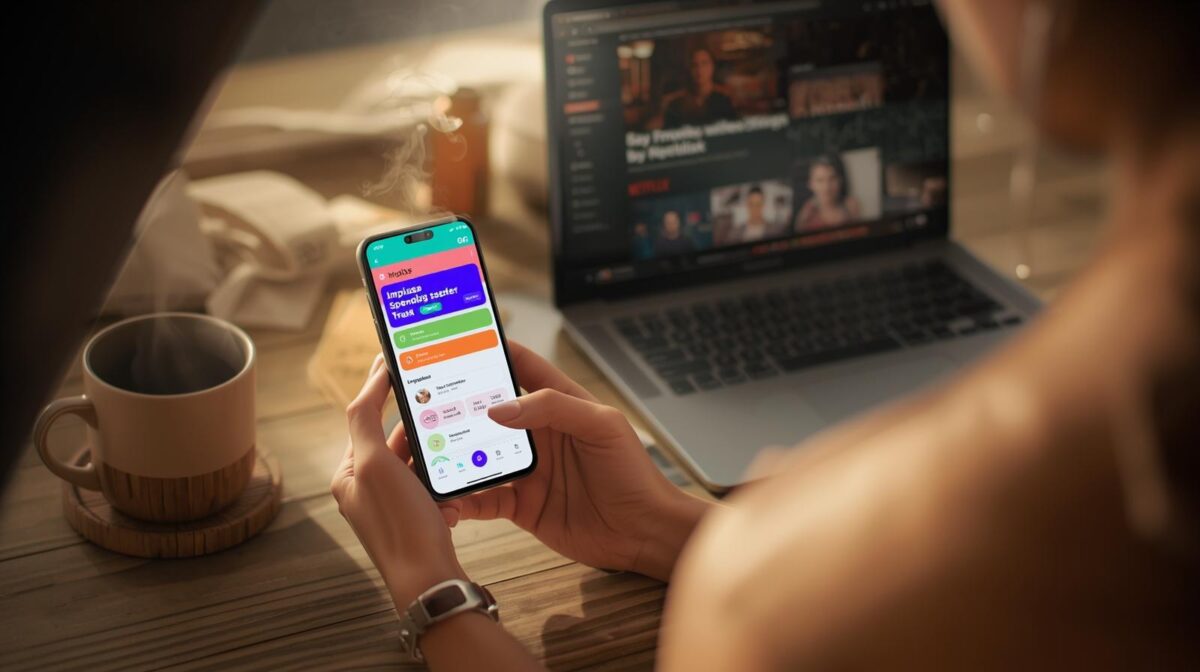
When most people hear “save money,” they immediately think about sacrifice. Cut the coffee, cancel Netflix, stop going out. But real savings don’t always come from deprivation. In fact, one simple habit can save hundreds of dollars without removing the things that make your life enjoyable.
For Amanda, a graduate student in Toronto, the breakthrough came when she started using her Impulse Spending Tracker every evening for five minutes. Instead of waiting until the end of the month, she logged expenses daily. The habit seemed small, but within the first month she discovered a pattern: frequent impulse buys from convenience stores and late-night online shopping.
By simply identifying these patterns, Amanda redirected her money. She didn’t stop drinking coffee with friends or cancel her favorite streaming subscriptions. Instead, she replaced random $12 purchases with conscious choices. At the end of 30 days, she had saved $287—without cutting out anything essential or joyful.
This is the hidden truth: saving money is about awareness, not punishment. Most people fail at budgeting because they design unrealistic plans that strip away all enjoyment. When you use a tracker to highlight your hidden habits, you gain control without feeling restricted.
Here are three practical tips to apply this habit:
- Set a reminder: Pick a consistent time each day, like after dinner, to log expenses.
- Stay honest: Record every purchase, even the tiny ones.
- Review weekly: Look for repeating leaks and decide which to cut.
The results build on themselves. After the first month, Amanda’s savings motivated her to continue. In month two, she saved $310. By the end of the year, this one habit added over $3,500 to her account—without sacrificing her daily pleasures.
The lesson is clear: it’s not about doing without, it’s about doing with intention. A small daily habit, combined with a simple tool, can transform your financial journey.
Savvix Habit Reminder
A single daily money habit can save hundreds. Use your
Impulse Spending Tracker to log daily expenses,
review hidden costs, and save without sacrificing coffee
or Netflix. Small habits drive financial growth
and build long-term wealth.
The Hidden Costs of Everyday Comforts: Starbucks, YouTube, and More

Most people think big bills destroy their budgets, but often it’s the small, everyday comforts that quietly drain money. A coffee from Starbucks, a quick purchase on Amazon, or endless hours of YouTube Premium and Spotify subscriptions may not feel expensive in the moment. But when added together over a month, they form a major leak in personal finances.
Take Daniel, a software engineer in New York. Every morning, he bought a $6 latte from Starbucks, subscribed to YouTube Premium for $12 a month, and paid $10 for Spotify. None of these felt like luxuries—they were just part of his routine. But when he tracked these expenses with his Impulse Spending Tracker, the numbers surprised him: more than $200 each month went to small comforts. Over a year, that was $2,400—enough for a vacation, a new laptop, or a significant addition to his savings.
The problem isn’t that Starbucks coffee or YouTube is “bad.” The issue is when these expenses go unnoticed. People convince themselves these costs are too small to matter. But psychology shows that recurring, low-cost habits are the hardest to detect and the most dangerous to long-term wealth.
This is where the Impulse Spending Tracker becomes powerful. By logging even the smallest purchases, you transform your relationship with money. Suddenly, $6 isn’t “just coffee”—it’s part of a bigger pattern. The $12 monthly subscription isn’t “only a few bucks”—it’s part of a $144 yearly cost. These numbers bring reality into focus.
Here’s how to handle everyday comforts wisely:
- Track without judgment: Log every purchase honestly—coffee, streaming, or shopping.
- Review weekly totals: See what Starbucks or YouTube actually costs you per month.
- Choose consciously: Keep what truly adds value, cut what doesn’t.
- Redirect savings: Use the money for goals that matter—emergency funds, debt payoff, or investments.
When Daniel became aware, he didn’t cancel everything. He kept Spotify, because music genuinely improved his focus, but cut back on coffee shop visits and paused one streaming subscription. In just two months, he saved over $400 without feeling deprived.
The lesson is clear: everyday comforts are fine, but they should be choices, not automatic habits. With awareness, you can enjoy your Starbucks, Netflix, or YouTube—and still build wealth.
Savvix Comfort Reminder
Everyday comforts like Starbucks, YouTube, and Spotify
are not the enemy. The danger is untracked expenses. Use your
Impulse Spending Tracker to reveal recurring costs, make
conscious choices, and enjoy life while building long-term
wealth.
Train Your Brain with Savvix: From Overspending to Smart Wealth

Money is not only about numbers—it’s about psychology. Most overspending happens not because people don’t earn enough, but because their brains are wired to seek short-term pleasure. Instant gratification, impulse buying, and “I deserve this” thinking are mental traps that drain your wallet. But with awareness, these patterns can be retrained.
Think of David, a marketing manager in Manchester. Each payday, he promised himself he would save, but by the second week, his account was nearly empty. It wasn’t rent or bills—it was dozens of small, impulsive purchases. When he started using an Impulse Spending Tracker with Savvix as his daily guide, he began to notice the triggers: late-night online browsing, social pressure to join expensive outings, and the urge to “upgrade” gadgets too soon.
Savvix’s lesson is simple: you must train your brain. Every time you log a purchase, you break the automatic spending cycle and replace it with conscious choice. Instead of “spend first, think later,” your brain learns “pause, log, evaluate.” This tiny pause creates space for smarter financial decisions.
Here are strategies to rewire your money mindset:
- Create micro-pauses: Before any purchase, take 10 seconds to decide if it’s a need or a want.
- Use visual cues: Put your savings goal as your phone wallpaper—constant reminders reshape habits.
- Celebrate progress: Reward yourself for consistency in tracking, not for spending.
- Reframe success: Wealth is not about buying more—it’s about keeping more.
Over time, these strategies build financial discipline. Your brain stops associating happiness with consumption and starts linking it to progress—like seeing your savings grow or watching debt disappear.
David’s story shows how powerful this is. Within six months, he had not only saved £2,000 but also felt more in control than ever. His confidence grew because money was no longer a mystery—it was a system he managed consciously.
Savvix reminds us that the smartest wealth comes from mindset mastery. Numbers matter, but your brain decides whether you keep or lose those numbers. Train it well, and wealth will follow.
Savvix Mindset Reminder
Overspending is not just about money—it’s about habits.
Train your brain with the Impulse Spending Tracker,
build financial discipline, and turn daily choices into
long-term wealth growth.
Break Free from Emotional Spending

Money and emotions are closely linked. People don’t always buy things because they need them—they buy because they are tired, stressed, lonely, or even celebrating. This is called emotional spending, and it silently drains wealth. A bad day can lead to online shopping, and boredom can lead to unnecessary food delivery. The result is the same: money disappears without building long-term value.
Consider Priya, a graduate student in India. She felt anxious during exam periods and often ordered expensive comfort food. It was never about hunger; it was about stress relief. At the end of the month, her food budget was always double what she planned. When she started using an Impulse Spending Tracker, she realized that these patterns happened on specific days—mostly before deadlines. By seeing the data, Priya found healthier coping mechanisms like exercise and journaling, saving both her wallet and her well-being.
Emotional spending is powerful because it feels justified. “I deserve this” or “It’s just once” are thoughts that trigger instant gratification. But the habit repeats, and suddenly hundreds of dollars vanish in a year. Awareness is the first step to break the cycle.
Here’s how to fight emotional spending:
- Identify triggers: Notice when you feel the urge to spend—stress, boredom, loneliness.
- Pause and reflect: Wait 10 minutes before making the purchase decision.
- Replace the habit: Use non-financial coping methods like walking, reading, or meditation.
- Track patterns: Let the expense tracker highlight emotional spikes in spending.
Over time, these steps build resilience. Instead of money being a reaction to emotions, it becomes a conscious tool for your goals. You don’t stop celebrating or rewarding yourself—you just choose healthier, intentional ways.
Breaking free from emotional spending is not about restriction, it’s about empowerment. Once you take control, you no longer let stress or boredom dictate your financial future. Instead, you use money as a partner in building smart wealth.
Savvix Emotional Tip
Emotional spending often feels justified, but it drains your savings.
Use an Impulse Spending Tracker to spot stress shopping
patterns, replace them with healthy habits, and transform emotions into
financial strength.
The One Rule That Changed My Finances Forever

Sometimes, we don’t need dozens of complicated strategies—just one clear rule can change everything. For Emma, a young teacher in Chicago, that rule was simple: “Track before you spend.”
For years, Emma felt stuck. Her salary was steady, but she never seemed to have enough left at the end of the month. She cut back on coffee, avoided eating out, even canceled a few subscriptions, yet nothing worked. Then she discovered a basic principle: before she made any purchase, she logged it in her Impulse Spending Tracker—even before paying.
At first, this habit felt strange. Why log something that wasn’t bought yet? But it transformed her mindset. By writing it down first, she created a pause. That pause gave her a chance to ask:
- Do I really need this?
- Does this align with my savings goals?
- Will I still value this tomorrow?
The results were dramatic. Within the first month, Emma saved $400. She realized that most of her spending was driven by emotions and habit, not real need. By sticking to this one golden rule, she slowly built savings without feeling deprived.
This strategy works because it combines awareness + action. Awareness comes from tracking, and action comes from pausing before spending. Together, they break the cycle of impulse purchases.
Here’s how you can apply the rule yourself:
- Commit to tracking first: Even small purchases, like snacks or bus tickets.
- Use the pause: Once logged, wait at least a few minutes before buying.
- Review weekly: Look at the log and see how many “almost purchases” you avoided.
- Celebrate wins: Notice the money you didn’t spend—it’s just as powerful as money saved.
Emma’s story proves that you don’t need complexity. One rule, applied consistently, reshapes habits, builds discipline, and creates lasting wealth.
If you feel overwhelmed by money management, start here: Track before you spend. It’s small, it’s simple, and it can change your finances forever.
Savvix Golden Rule
The one rule—Track before you spend—turns impulse into
conscious choice. Use your Impulse Spending Tracker
daily, build financial discipline, and watch small pauses
create big wealth growth.
From Chaos to Clarity: Build a Simple Budget That Works

Budgeting has a bad reputation. Many people think it’s restrictive, complicated, or only for those struggling financially. But the truth is, a budget is simply a plan for your money. When done right, it creates freedom, not stress. The secret is keeping it simple.
Take Sofia, a nurse in Toronto. She had tried budgeting apps before, but the complicated categories made her quit after a week. When she switched to a simple 50/30/20 budget method—50% for needs, 30% for wants, 20% for savings—everything changed. With her Impulse Spending Tracker working alongside her budget, she not only kept track of expenses but also avoided falling back into chaos.
Clarity comes from simplicity. Instead of tracking 50 categories, focus on the essentials:
- Needs (housing, food, bills)
- Wants (entertainment, dining out, hobbies)
- Savings/Debt (emergency fund, retirement, debt repayment)
By sorting every expense into these three buckets, Sofia finally felt in control. No more guessing where the money went, no more giving up halfway. The budget worked because it was sustainable.
The best part? A simple budget doesn’t require perfection. Some months you may overspend slightly on wants, and that’s okay—as long as you’re aware and can adjust next month. The goal is progress, not perfection.
Here’s how to build your simple budget:
- Pick a method: 50/30/20, zero-based, or envelope system—choose what feels easiest.
- Connect your tracker: Use your expense tracker to log daily spending.
- Review monthly: See how your money flowed and adjust categories.
- Keep it flexible: Life changes, and your budget should adapt.
Sofia’s experience shows that simplicity wins. A clear, flexible plan gave her peace of mind, more savings, and less stress. Instead of chaos, she gained clarity—and that’s what every budget should deliver.
Savvix Budget Tip
A simple budget brings clarity, not stress.
Use your Impulse Spending Tracker to organize expenses into
needs, wants, and savings.
Keep it flexible, stay consistent, and build lasting financial freedom.
Build Your Future with Savvix: From Awareness to Wealth

Money management looks simple, but most people lose cash without noticing.
Small expenses, hidden subscriptions, and emotional spending weaken your budget.
This is where Savvix makes a difference.
Savvix is more than a mascot.
He reminds you to stop, think, and track every purchase.
Money does not control you; you control money.
That means more savings, less debt, and greater freedom.
Savvix shows that small steps bring big results.
Writing down a daily expense, using the three-jar method, or applying the 50/30/20 rule are simple but powerful habits.
Every tracked expense creates awareness.
Every controlled habit builds discipline.
Every organized budget lays the foundation for financial freedom.
With Savvix, money management feels easy.
You can stop leaks, grow your savings, and secure your future.
The key is to start now.
Act today.
Small changes grow into long-term wealth.
With Savvix’s guidance, you can make smart choices, increase your savings, and reach financial freedom.
Savvix’s Closing Tip
Track it. Control it. Save it.
Small steps lead to financial freedom.
Start today with the Impulse Spending Tracker.
Savvix invites you to a journey of savings and wealth.
