
What Are Hidden Money Leaks and Why They Matter in 2025

Everyone wants to save money, yet few realize that hidden money leaks silently drain their bank accounts every single month.
These small, unnoticed expenses — unused subscriptions, forgotten memberships, frequent takeout orders, or digital services left on autopay —
can quietly erode your financial stability. The average household loses hundreds of dollars yearly to these budget leaks.
The good news? Spotting and fixing them doesn’t require huge sacrifices. It takes awareness, small adjustments, and the right money management tools.
How Hidden Money Leaks Start
Most people don’t realize how many Hidden Money Leaks begin with small habits of convenience. You sign up for a streaming platform “just for one show” and forget to cancel. You grab a coffee every morning because it’s “only a few dollars.” You buy apps or software that renew automatically without noticing. Each one seems harmless until your monthly statement shows hundreds of dollars missing. These Hidden Money Leaks slowly drain your budget and make saving harder — not because of low income, but because of unnoticed, wasteful spending that adds up over time.
How to Detect Hidden Money Leaks Effectively
- Review your credit card and bank statements weekly. Highlight recurring or duplicate charges.
- Use the free Impulse Spending Tracker to identify emotional or impulsive purchases.
- Track every dollar with the Budget Calculator and categorize your expenses to reveal patterns.
- Audit automatic payments annually using trusted tools like NerdWallet’s recommended budgeting apps.
- Reinvest saved money into your Savings Goal Tracker for long-term growth.
People Also Ask: How Can I Stop Hidden Money Leaks?
You can’t fix what you don’t track. The first step toward financial awareness is knowing where every dollar goes.
Once you identify unnecessary expenses, cancel or downgrade them.
Next, automate your financial control — use alerts, expense categories, and visual dashboards.
Studies show that people who track spending at least weekly increase savings by up to 30% annually.
Why Eliminating Hidden Money Leaks Matters
Every time you stop a leak, you regain financial freedom.
That $30 subscription? It could become an emergency fund contribution.
That daily $5 coffee? It could grow into $1,500 a year saved.
Hidden money leaks don’t just affect your wallet; they affect your mindset.
Fixing them builds financial control, improves confidence, and gives your money a purpose again.
Savvix Says:
“Hidden money leaks are like slow drips in your wallet — invisible at first, dangerous over time.
Track your spending weekly, and you’ll be shocked how quickly your savings rise once you plug the holes.”
How to Track and Fix Hidden Money Leaks Before They Grow

Once you identify your hidden money leaks, the next step is to make sure they never return.
Canceling a single subscription or skipping a coffee helps for a week — but real financial control comes from
building a system that tracks your expenses automatically and gives you full visibility.
Tracking your spending isn’t about restriction; it’s about awareness.
It helps you see where your money truly goes and which overspending habits silently drain your progress.
Use Smart Tools to Track Expenses Automatically
Automation is the most effective way to stop budget leaks before they grow.
Manually writing purchases is outdated. Instead, use tools that sync with your bank and organize data instantly.
Try the Budget Calculator to break down your categories,
and connect it with the Impulse Spending Tracker
to visualize your daily spending habits.
You’ll quickly notice patterns of wasteful spending like online shopping splurges or unused memberships.
For a more advanced approach, explore NerdWallet’s budgeting apps
or Forbes Finance Tools.
They automatically detect recurring charges and categorize them.
This process saves hours of manual work and improves financial awareness by showing clear spending reports.
If you’re aiming to increase savings in 2025, automation is your best ally.
Set Spending Limits and Stick to Them
After identifying your spending categories, assign realistic limits.
For example, $150 for eating out, $100 for entertainment, $50 for subscriptions.
If you exceed a limit, pause spending in that area.
This small habit turns wasteful spending into smart money management.
Over time, you’ll build financial discipline that compounds — just like savings interest.
Even cutting two impulse buys per week could add $1,000 to your annual savings.
Remember: small changes create massive financial results.
Redirect Savings Toward Growth
Every dollar recovered from fixing hidden money leaks should be redirected toward something meaningful.
Use the Savings Goal Tracker
to define clear goals — paying off debt, investing, or building an emergency fund.
Turning saved money into action builds momentum.
Instead of asking “Where did my money go?”, you’ll start saying “Here’s where my money grows.”
That’s the essence of personal finance success.
People Also Ask: How Do I Stay Consistent?
Schedule a weekly five-minute audit. Review new charges, monitor recurring subscriptions,
and categorize every purchase.
If you use alerts and trackers, this becomes effortless.
Over time, tracking will feel natural — like brushing your teeth.
According to data from Investopedia,
people who review their budgets weekly save 35% more than those who don’t.
The more consistent you are, the more your financial confidence grows.
Bonus Tip: Audit Regularly and Automate Wisely
The real trick is consistency.
Set recurring reminders every Sunday to audit your accounts.
Flag suspicious charges and cancel anything that doesn’t align with your goals.
Over time, these micro-decisions compound into financial growth.
It’s not about cutting everything — it’s about spending with intention.
Savvix Says:
“You can’t manage what you don’t measure.
Track every dollar, fix every leak, and let your new money habits work while you rest.
Automation isn’t the enemy — it’s your smartest financial ally.”
Everyday Habits That Cause Hidden Money Leaks

Most hidden money leaks don’t come from big purchases — they come from small daily habits.
You don’t notice them at first, but over time they quietly reduce your ability to save money.
Understanding where these leaks hide is essential for smart budgeting, better
money management, and long-term financial control. Even the most responsible
spenders can lose hundreds each month without realizing it. The good news: you can fix these problems with
simple routines, objective expense tracking, and a few smart swaps — no painful sacrifices required.
1. Daily Coffee, Snacks, and “Convenience” Buys
Grabbing coffee or snacks on the go feels harmless, but these everyday spending habits are among
the biggest budget leaks. A $5 coffee five times a week equals more than $1,000 a year. That’s money
you could redirect into savings, debt payoff, or a side project. Brew at home a few days each week, prep quick snacks,
and walk short distances instead of using ride-hailing when possible. Track the difference with our
Savings Goal Tracker to see those tiny wins
turn into real progress.
2. Subscription Overload
Streaming bundles, cloud storage, note-taking apps, fitness memberships — useful, but rarely all at once.
Forgotten renewals are classic hidden money leaks. Review subscriptions monthly using the
Budget Calculator and cancel anything you didn’t use
in the last 30 days. For additional ideas on how to track expenses efficiently, check
Forbes’ budgeting app guides.
This single habit can immediately reduce monthly expenses without changing your lifestyle.
3. Grocery Shopping Without a List
Entering a supermarket without a plan invites wasteful spending and impulse buys. Create a weekly meal plan,
stick to a list, and compare unit prices. Avoid “just in case” items; they become fridge clutter and budget drain.
Use our Impulse Spending Tracker to see how your
everyday spending shifts once you shop intentionally. Small changes — like buying store brands or cooking in batches —
can increase savings faster than cutting big, meaningful purchases.
4. Ignoring Energy Efficiency
Utility bills hide quiet money leaks. Old bulbs, always-on devices, and inefficient appliances add up.
Switch to LEDs, unplug idle electronics, and use smart plugs or timers. If sustainability also matters to you,
try our Carbon Footprint Calculator to estimate
the environmental impact of your habits while you save money. Tracking usage once a week can reveal patterns you can fix
in minutes.
5. Forgetting Free Alternatives
Why pay when there are quality free resources? Learn new skills on
Coursera or
Khan Academy,
plan with Google Docs/Sheets, and use open-source apps where possible. Redirect the cash you’d spend on subscriptions toward
wealth-building goals. If you’re testing a new income stream, estimate potential earnings with the
Side Hustle Profit Estimator and keep your
financial goals realistic and measurable.
6. “It’s Only $10” Thinking
Micro-purchases feel harmless, but they stack quickly. Adopt a 24-hour pause for non-essentials over a set amount (e.g., $20).
This breaks overspending habits and boosts financial awareness. You’ll buy fewer “maybe” items and feel better
about the ones you keep — a win for both your wallet and your mindset.
7. Ignoring Fees and Penalties
ATM charges, account fees, and late payments are stealthy hidden money leaks. Switch to low-fee accounts,
automate bill pay, and set reminders for due dates. Review statements monthly and dispute errors immediately.
Protecting $10 here and $15 there builds strong money management habits that compound over time.
Turn Awareness Into Action
Awareness is step one; systems are step two. Build a five-minute weekly review to flag recurring charges, check categories,
and set small limits for flexible spending. Use the Budget Calculator
to map your month and the Savings Goal Tracker to connect every
saved dollar to a clear purpose. With consistent reviews, hidden money leaks disappear and your savings grow —
not by working harder, but by spending smarter.
Savvix Says:
“Your habits write your financial story. Change a few lines each day, and you’ll rewrite your entire future.
Hidden money leaks disappear the moment you start noticing them.”
Smart Budgeting Strategies to Prevent Hidden Money Leaks

Once you’ve spotted your hidden money leaks, it’s time to make sure they never return.
Smart budgeting isn’t about restricting your life — it’s about designing a financial system that fits your lifestyle.
By setting clear goals, tracking spending habits, and automating savings, you can eliminate budget leaks permanently
and take full control of your personal finances. In 2025, the smartest people aren’t the biggest earners — they’re the best planners.
Consistent money management is what builds wealth quietly over time.
The Power of a Zero-Based Budget
One of the most effective ways to stop hidden money leaks is through zero-based budgeting.
This approach assigns every dollar a purpose — bills, investments, or savings. Nothing is left unaccounted for.
It eliminates the “extra cash” mindset that leads to wasteful spending.
Try the Budget Calculator
to distribute your income into clear categories. You’ll quickly see how small overspending habits vanish
when each cent has a mission. According to Ramsey Solutions,
this model is one of the most reliable ways to reach financial stability fast.
Automate to Save Effortlessly
Automation is your best defense against hidden financial leaks.
Schedule automatic transfers to your savings account right after payday — before you have time to spend.
This simple act, known as “paying yourself first,” transforms saving from a decision into a habit.
Use the Savings Goal Tracker
to visualize progress and stay motivated. According to Investopedia,
people who automate savings improve long-term money management by up to 45%.
The less effort saving takes, the more consistent you’ll be.
Apply the 50/30/20 Rule
Divide your income into three smart categories: 50% for essentials, 30% for wants, and 20% for savings or debt repayment.
The 50/30/20 framework balances living well with building security.
Use the Side Hustle Profit Estimator
to calculate how much extra income you can generate monthly to boost your savings ratio.
You can also experiment with the 60/20/20 or 70/20/10 versions depending on your goals.
This simple structure keeps you disciplined and prevents hidden money leaks caused by unplanned expenses.
Track, Review, and Adjust Weekly
Smart budgeting strategies work only when you review them regularly.
Once a week, open your financial dashboard, review transactions, and look for new budget leaks.
Ask yourself: “Did this purchase bring real value?” If not, adjust.
Use external tools like NerdWallet’s expense trackers
to simplify your tracking expenses routine.
Over time, this small practice builds strong financial awareness and keeps your cash flow balanced.
Reward Progress, Not Perfection
You don’t have to cut all spending to build wealth. The key is consistency.
Celebrate milestones — maybe a weekend coffee after hitting your savings goal or a short trip after paying off a debt.
Positive reinforcement keeps motivation high and prevents burnout.
When you acknowledge progress, you strengthen your long-term financial discipline and stay in control of your money management.
Remember, financial freedom isn’t about having the biggest paycheck — it’s about keeping and growing what you already earn.
Bonus: Create a “Spending Awareness” Day
Once a month, dedicate a day to financial reflection. Review goals, track progress, and plan for the next month.
This simple ritual makes you aware of overspending habits before they turn into hidden money leaks.
By pairing awareness with action, you’ll notice a powerful mindset shift — your finances start working for you, not against you.
By implementing these systems, you’ll stop hidden money leaks before they start.
Remember: wealth isn’t about how much you earn — it’s about how much you keep and grow intentionally.
Smart budgeting is not restriction — it’s empowerment.
Every time you assign purpose to your dollars, you take one step closer to long-term financial control.
Savvix Says:
“Budgeting isn’t punishment — it’s permission. Every dollar you assign a purpose becomes another step toward real financial freedom.
Fixing hidden money leaks is how true wealth quietly begins.”
Mindset Shifts That Help You Save More and Spend Smarter

To truly eliminate hidden money leaks, you need more than numbers — you need a new mindset.
Financial growth begins in the mind long before it appears in your bank account.
Most money challenges come not from a lack of income but from how we think, act, and react to spending triggers.
Shifting your beliefs about money allows you to save more, reduce expenses, and gain lasting financial control.
Smart budgeting starts with awareness — and a willingness to see patterns that once went unnoticed.
Start With Financial Awareness
The first step toward fixing hidden money leaks is simple: awareness.
You can’t change what you can’t see.
Track your expenses daily using the
Impulse Spending Tracker
to uncover spending patterns you didn’t know existed.
Small wasteful spending—like random app renewals, snack runs, or “just in case” purchases—adds up to hundreds each month.
Awareness turns invisible leaks into visible opportunities for improvement.
Shift From Emotional Spending to Intentional Spending
Ask yourself before every purchase: “Does this align with my goals?”
This question builds financial discipline and prevents overspending habits.
Shopping to ease stress creates temporary comfort but long-term regret.
Instead, celebrate saving milestones — not shopping trips.
Understanding your emotional triggers helps you build a calmer, more confident financial mindset.
Learn more from Psychology Today’s insights
on financial behavior and how emotions drive money decisions.
Automate Good Decisions
The easiest way to prevent hidden money leaks is to remove temptation completely.
Automate your success: set up recurring transfers to your savings account on payday.
Use the Savings Goal Tracker
to monitor progress visually.
This automation ensures that you save money consistently — without daily effort or decision fatigue.
What starts as a small transfer soon becomes a habit that defines your financial success.
Build a “No Spend Day” Habit
Pick one day each week and spend absolutely nothing — no coffee, no delivery, no quick purchases.
It’s a challenge that trains patience and resets your relationship with money.
Studies show that people who practice “No Spend Days” save 10–15% more monthly.
Use that day to review your progress with the
Budget Calculator
and see how small pauses compound into real financial awareness.
Focus on Progress, Not Perfection
You won’t fix all hidden money leaks overnight, and that’s okay.
What matters is direction, not speed.
Each time you resist an impulse purchase or plan your week’s spending, you strengthen your mindset.
Small wins — like cooking at home twice a week or canceling one unused subscription —
build financial stability faster than unrealistic “all-or-nothing” plans.
Use the Budget Calculator
to visualize those micro-victories in real time.
People Also Ask: Common Money Questions in 2025
1. What’s the fastest way to stop hidden money leaks?
Automate savings, cancel unused subscriptions, and review statements weekly.
Tools like the Impulse Spending Tracker
make identifying leaks effortless.
2. How do I stay motivated to save money?
Connect savings to emotional goals — freedom, travel, security.
Use visual motivators like the
Savings Goal Tracker
and celebrate every step.
3. What habits cause overspending?
Emotional shopping, impulsive app purchases, and ignoring budgets.
Break the pattern by reviewing expenses with
Budget Calculator
and tracking triggers.
4. How can I save money without feeling restricted?
Balance “wants” and “needs.”
Plan small rewards within your smart budgeting framework.
Financial freedom comes from clarity, not deprivation.
5. How do I manage emotional spending?
Identify what triggers you — stress, boredom, comparison — then replace the habit.
Walk, read, or redirect that urge into savings.
Remember: emotional control leads to financial control.
Your mindset shapes your money story. Once you begin thinking long-term,
hidden money leaks lose their power.
You don’t need a higher income to build wealth — you need clarity, awareness, and systems that reward consistency.
Savvix Says:
“Your mind controls your money. Change your thoughts, and your bank balance will follow.
Real wealth starts in how you think, not what you earn.”
Tech Tools That Help You Catch Hidden Money Leaks Automatically
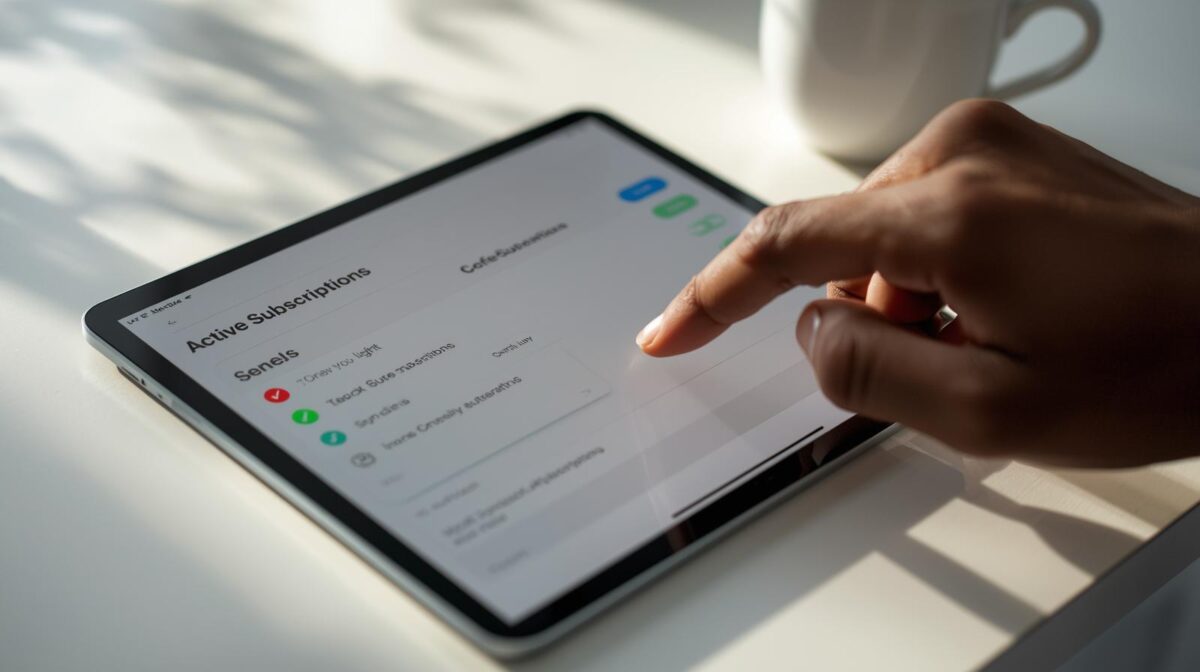
In today’s fast-moving digital world, technology can detect hidden money leaks faster than any manual budget or spreadsheet ever could.
You no longer need to guess where your money goes or spend hours reviewing receipts.
Modern AI budgeting tools and smart personal finance apps automatically track, categorize, and analyze your spending habits.
They identify wasteful spending, alert you to recurring charges, and suggest smarter ways to save money — all while fitting naturally into your lifestyle.
Whether you want to increase savings or simply gain more financial awareness, these tools turn complexity into clarity.
AI-Powered Expense Tracking
Artificial intelligence is reshaping personal finance management for everyone.
Platforms such as You Need A Budget (YNAB)
and Mint automatically categorize your transactions and identify budget leaks in real time.
These smart algorithms recognize patterns like recurring subscriptions, impulse purchases, or seasonal overspending, helping you stop hidden expenses before they grow.
Use our free Budget Calculator
to check your budget efficiency and improve your financial planning.
With AI, you spend less time tracking and more time saving.
Subscription Trackers That Save You Hundreds
Unused subscriptions are the sneakiest hidden money leaks of all.
Apps like Rocket Money
and Truebill scan your bank accounts, list every active subscription,
and even cancel unused ones automatically.
When paired with our Impulse Spending Tracker,
you’ll regain control over both digital subscriptions and spontaneous spending.
These tools often save users hundreds per year — money that can now go toward investments or your next big financial goal.
Smart Saving Automations
Modern apps don’t just help you track spending — they help you save automatically.
Innovative platforms like Qapital
and Digit use artificial intelligence to analyze your income, monitor spending trends,
and move small amounts of money into savings automatically.
You’ll save effortlessly without feeling restricted.
Visualize your progress with our Savings Goal Tracker
and watch your financial goals become reality over time.
The key to sustainable saving is automation — consistency without stress.
AI Financial Assistants and Chatbots
AI chatbots are revolutionizing the way people manage money.
These digital assistants act as 24/7 financial coaches that remind you of bills, identify overspending habits,
and explain complex topics such as investment diversification or credit utilization.
Powered by OpenAI technology,
they simplify financial education and make wealth-building approachable for everyone.
Automation no longer just supports — it teaches, advises, and empowers.
Bank Apps That Detect Hidden Fees
Today’s mobile banking apps use advanced AI systems to detect hidden fees and duplicate charges instantly.
They alert you to unusual activity, flag overspending categories, and sometimes even analyze the emotional triggers behind your purchases.
For deeper insight into your income potential, use the
Side Hustle Profit Estimator
to see how much additional income you could generate monthly.
The more you monitor your digital accounts, the faster you’ll strengthen your financial health.
Browser Extensions That Catch Hidden Costs
Online shopping creates a new category of budget leaks — impulsive deals and invisible fees.
Extensions like Honey
and Rakuten automatically find coupons, apply discount codes,
and earn cashback while you shop.
Combine them with the Budget Calculator
to track your digital and in-store spending together.
This harmony between technology and awareness helps you spend smarter every day.
Why These Tools Matter
The future of budgeting is automation and data-driven decision-making.
By using smart finance apps, you eliminate guesswork and emotion — two of the most common causes of wasteful spending.
These technologies provide clarity, accountability, and empowerment.
They don’t replace discipline; they amplify it.
With the right mix of digital finance tools, you can achieve financial freedom faster and keep more of what you earn.
Common Questions About Money Apps (2025)
1. What are the best apps to find hidden money leaks?
Top-rated apps include Mint, Rocket Money, and Truebill for managing subscriptions,
and YNAB for smart budget tracking.
These tools identify spending leaks instantly and offer data-backed solutions.
2. Can AI really help me save money?
Yes — AI budgeting systems predict recurring charges, monitor your expenses, and recommend improvements automatically.
They are one of the simplest and most effective ways to spend smarter.
3. Are budgeting apps safe to use?
Absolutely. Most apps use encrypted connections, secure APIs, and two-factor authentication.
Just ensure you review permissions and use trusted providers for safer personal finance management.
4. How do I choose the right money management app?
Select based on your goals. If you prefer automation, try Digit or Qapital.
If you want full control, use YNAB or our
Budget Calculator.
The best app is the one that fits your lifestyle and motivates you to track consistently.
Used wisely, technology becomes your most powerful ally against hidden money leaks.
Once your finances are automated and tracked, you’ll see that true budgeting is less about limits and more about clarity.
Let smart tools guide your journey to lasting financial success.
Savvix Says:
“Let technology work for you. The smartest money move you can make today is to automate awareness —
so every dollar has direction, not distraction. The future of saving isn’t manual — it’s intelligent.”
From Awareness to Action: Build a Leak-Free Money System

You’ve learned how to recognize and track hidden money leaks. Now it’s time to move from awareness to daily action.
The goal is to create a practical, repeatable money system — one that stops budget leaks, grows savings automatically,
and strengthens your financial awareness without adding stress. This approach doesn’t require perfection; it rewards consistency.
When your money habits become structured, you gain control instead of guilt. Let’s turn what you know into a strategy that lasts.
Step 1 — Create a Clear Baseline (One Week)
Start with a full snapshot of your finances. For seven days, track every transaction — no exceptions.
Use our Budget Calculator
to map your income, bills, and daily expenses in one dashboard.
Mark anything suspicious: duplicate payments, subscriptions you forgot about, or unplanned delivery fees.
These tiny drains often cause the biggest hidden money leaks.
By reviewing even the smallest purchases, you’ll uncover dozens of ways to save money fast.
- Sort expenses into categories like groceries, utilities, and leisure.
- Flag transactions under $10 — these micro-spends often hide budget leaks.
- Compare your “planned vs. actual” spending for instant financial awareness.
Step 2 — Fix the Fastest Leaks First (One Hour)
Once your spending is mapped, take immediate action.
Cancel or pause anything you don’t actively use — streaming services, apps, memberships, or trials.
Run a subscription audit using our Impulse Spending Tracker.
Then negotiate your bills. A short call can reduce phone, internet, or insurance costs significantly.
The CFPB offers great negotiation templates to help you start.
Fixing leaks early not only saves cash — it builds the mindset of accountability.
Step 3 — Automate Savings and Bill Discipline
The fastest way to build wealth is to save automatically.
Set your transfers to occur right after payday using our Savings Goal Tracker.
By “paying yourself first,” you remove temptation.
Turn on bill alerts to prevent late fees, and schedule extra payments toward debt reduction.
If you share bills or household costs, the Bill Split & Group Budget Tool
keeps everyone on track.
Automation turns willpower into a system — one that works even when you’re busy.
Step 4 — Build Smart “Friction” Against Impulse Buys
Impulse purchases are silent money leaks. The solution? Friction.
Add a 24-hour pause before non-essential purchases. Remove saved credit cards from your browsers and phones.
Install price comparison extensions like Honey
or cashback platforms like Rakuten.
They delay emotional decisions and reward patient ones.
Every small layer of friction helps you spend smarter and refocus on intentional choices.
Step 5 — Turn Savings Into Momentum
Every dollar saved is a step toward financial independence.
Redirect money from closed subscriptions or reduced bills to a tangible goal with a name and date.
Use the Side Hustle Profit Estimator
to explore new income opportunities — freelancing, digital services, or small investments.
Then funnel those profits into your emergency fund or debt repayment plan.
This builds momentum: the more progress you see, the easier it becomes to stay consistent.
Weekly 30-Minute Review (System, Not Willpower)
Review your system once a week. This is where consistency compounds.
Check each category inside the Budget Calculator
to ensure spending aligns with goals.
Scan for new fees, price hikes, or auto-renewals.
Adjust category limits — especially on food delivery, streaming, or rideshare.
If you handle international payments, verify your conversions with the
Currency Converter.
This regular review takes just 30 minutes but strengthens long-term financial control.
People Also Ask (2025)
How do I stop hidden money leaks without changing my lifestyle?
Start by automating awareness.
Set notifications for category limits, schedule transfers, and enable digital alerts.
These small controls reduce wasteful spending while preserving comfort and flexibility.
No drastic sacrifices required.
What’s the fastest way to reduce monthly expenses?
Audit your subscriptions and negotiate bills first.
Use the Savings Goal Tracker
to monitor progress and motivate yourself.
Quick wins lead to major savings over time.
Which apps help find budget leaks?
Most banks now integrate smart expense tracking.
Combine these insights with third-party tools like YNAB or Truebill for maximum accuracy.
For privacy and safety, always enable two-factor authentication and review FTC guidance.
Your 14-Day Action Plan
This plan turns information into transformation.
Follow it closely to replace money leaks with automatic growth.
- Day 1–2: Track every purchase and tag leaks.
- Day 3: Cancel unused subscriptions and trials.
- Day 4: Negotiate one recurring bill.
- Day 5: Enable payday auto-saves to named goals.
- Day 6–7: Add buying friction — price checkers, pause rules, and card removal.
- Day 8–10: Cap spending categories prone to overspending.
- Day 11–12: Redirect rescued dollars into debt or savings.
- Day 13–14: Run your weekly audit using the Budget Calculator
and celebrate one week of leak-free living.
When this system runs, hidden money leaks have nowhere to hide.
Awareness becomes habit. Habits become wealth.
Over time, these steps help you reduce debt, build stability, and achieve genuine financial freedom.
Remember — systems beat motivation every time.
Savvix Says:
“Protect the dollar you already earn. Automate the basics, review weekly, and let structure replace stress.
Discipline grows savings — even when motivation fades.”
Real-World Case Studies & Scripts to Eliminate Hidden Money Leaks Fast
You know what hidden money leaks look like. Now let’s remove them in the real world. This section gives you short,
proven scripts and mini case studies you can copy today. You’ll renegotiate bills, cancel waste, and redirect cash to goals.
The focus is simple: practical actions that raise financial awareness, reduce monthly expenses, and help you
spend smarter without changing your lifestyle.
Case Study #1 — Slashing an Internet Bill in 15 Minutes
Maya paid $86/month for home internet. Her plan quietly jumped $14 after a “promo period.” She checked two competitor prices,
took screenshots, and called support. Using the script below, she switched to a retention plan: $59.99/month for 12 months,
plus a one-time $10 credit. Savings: $36/month, $432/year.
Script (call or chat):
- “Hi, I noticed my rate increased. I’ve been a customer for X years.”
- “Competitors A and B offer similar speeds at $60–$65. Can you match or beat this?”
- “If not, I’m prepared to switch today. Is there a loyalty or retention plan you can apply?”
- “Can you also remove equipment fees or add a bill credit to keep my account?”
Track the win in the Savings Goal Tracker.
Add the new rate to the Budget Calculator
so this budget leak doesn’t return next cycle.
Case Study #2 — Canceling “Small” Subscriptions That Add Up
Omar had nine subscriptions: two music apps, three streaming services, cloud storage, a meditation app, a design tool,
and a fitness program. He kept two and canceled seven. Time spent: 40 minutes. Savings: $68/month.
He scheduled a quarterly “subscription audit” in his calendar and logged each cancellation inside the
Impulse Spending Tracker to reinforce the habit.
Script (email/chat): “Please cancel my subscription effective today and confirm by email.
I do not authorize further charges. Thank you.”
Tip: Keep renewal dates in one place. Batch-cancel on the first Sunday of each quarter. This turns awareness into a repeatable system.
Case Study #3 — Banking Fees & Credit Card “Gotchas”
Ava noticed two overdraft fees and a $9 monthly maintenance charge. She called her bank and asked for a goodwill reversal,
citing her long account history and direct deposit. One fee was reversed immediately; the other was credited after she set up low-balance alerts.
She also switched to a no-fee account. Savings: $20–$30/month plus fewer “surprise” charges.
Script (call/chat):
- “I’m reviewing my statement for accuracy. I see two fees I’d like reversed as a courtesy.”
- “I’ve set up alerts and direct deposit to prevent this in the future. Can you waive them today?”
- “What no-fee options do you recommend so I avoid maintenance charges going forward?”
For general consumer guidance on fees, see the
CFPB. Then update categories in the
Budget Calculator so your money management plan matches reality.
Case Study #4 — Power Bill Down, Comfort Up
Liam lived in a small apartment but paid high utilities during summer. He switched to LED bulbs, sealed two window drafts,
and set a smart thermostat to 78°F when away. He also used smart plugs to cut “vampire” load. Result: ~18% reduction in power bills.
He logged the difference monthly to keep motivation high and used our
Carbon Footprint Calculator
to track both savings and sustainability gains.
Negotiation & Cancellation: Copy-and-Paste Mini Scripts
Streaming Service (chat/email): “I’m reducing recurring expenses. Are there any loyalty discounts or lighter plans?
If not, please cancel my subscription today and confirm via email.”
Mobile Carrier (call): “I see new customer promos at $X. Can you apply a retention rate so I don’t need to switch?
If not, I’ll port my number today.”
Insurance (call): “I’ve gathered competing quotes. Can you re-rate my policy or adjust coverage to match $X?
If not, I’ll need to move providers this month.”
Keep conversations friendly. Ask for a supervisor if needed. Save transcripts and confirmation numbers in a single document or Notion page.
These small steps close hidden money leaks permanently.
Turn Savings Into a Simple Plan You’ll Follow
Wins disappear if the money has no job. Route every saved dollar to a named purpose:
emergency fund, debt payoff, or a savings goal with a date. Automate transfers right after payday using the
Savings Goal Tracker.
For shared households, set clear rules in the
Bill Split & Group Budget Tool
so everyone contributes on time.
People Also Ask (Real-Life Savings)
What if a company says “no” to discounts?
Stay polite and persistent. Ask for the retention team, request a supervisor, or try again next week.
Prices and policies shift often. If the answer stays “no,” switching providers is the quickest way to
reduce monthly expenses.
How much can I realistically save in 30 days?
Most readers save $150–$400 in the first month by canceling subscriptions, negotiating one utility,
and tightening impulse purchases. Use our Budget Calculator
to measure your personal baseline.
Should I use cashback programs right away?
Yes — but only for planned buys. Add price trackers and cashback to reduce total cost, not to justify new spending.
See general guidance and consumer tips from the FTC.
Your 7-Call Weekend Challenge
- Internet provider — ask for a retention offer.
- Mobile carrier — request a loyalty rate or switch plan tiers.
- Insurance — re-quote home/auto; adjust deductibles if appropriate.
- Two subscriptions — cancel or downgrade.
- Bank — request fee reversals and move to a no-fee account.
- Utilities — enroll in budget billing or time-of-use discounts if available.
- Credit card — enable alerts; set a calendar reminder for annual fee reviews.
Log outcomes inside the Budget Calculator.
Transfer the exact monthly savings to a named bucket with the
Savings Goal Tracker.
This closes the loop so your wins become wealth — not just “good intentions.”
Savvix Says:
“Scripts create confidence. Use them, record the win, automate the savings.
When every dollar has a job, hidden money leaks have nowhere to live.”
Building a Leak-Proof Financial System: How to Keep More of What You Earn

Most people don’t lose money because they earn too little — they lose it through hidden money leaks that quietly drain their wallets month after month. These leaks often hide in everyday habits: unused subscriptions, impulse purchases, forgotten memberships, or poor budgeting systems. Each small leak may seem harmless, but together they can cost thousands of dollars every year.
Creating a leak-proof financial system isn’t about restriction — it’s about designing a smarter structure that protects what you earn and helps your savings grow automatically.
What Are Hidden Money Leaks (and Why They Matter)?
A hidden money leak is any expense that goes unnoticed because it feels small or “normal.”
A $12 streaming subscription, a $6 coffee, a $3 app renewal — none of them seem serious alone.
But over 12 months, they add up to hundreds or even thousands.
These leaks matter because they rob you of your most powerful asset: control.
When you don’t track where your money goes, it controls you.
That’s why the first step to smart budgeting and financial awareness is visibility.
Use tools like the
Impulse Spending Tracker
to see exactly where your money flows each day.
How to Stop Hidden Money Leaks in 2025
- Audit subscriptions regularly: Check your credit card statements once a month. Cancel trials, duplicate services, and premium plans you never use. Try
Forbes’ budgeting app list
to find tools that automate subscription tracking. - Track daily spending: Use our
Budget Calculator
to categorize every expense. Seeing the numbers in front of you is the fastest way to eliminate wasteful spending. - Automate savings before spending: Schedule transfers for at least 10% of your income right after payday. This “pay yourself first” method guarantees consistent growth.
- Pause before big buys: Apply the 30-day rule to all non-essential purchases. By waiting, you weaken impulse triggers and strengthen long-term money management.
People Also Ask (2025 Financial Trends)
How can I detect hidden money leaks?
Review your bank and credit card statements line by line. Look for repeating charges or small payments you don’t remember.
Tools like the Impulse Spending Tracker
and Mint automate this process and show you where you can instantly cut unnecessary expenses.
How much can I save by fixing them?
The average household loses between $1,500 and $3,000 annually to unnoticed charges.
Eliminating budget leaks can increase savings by 25–30% in just a few months.
You can then redirect that money into emergency funds, investments, or side projects that create long-term wealth growth.
What are the most common hidden costs people forget?
- Unused streaming subscriptions and cloud storage plans
- Auto-renewed trial memberships
- Credit card interest and ATM withdrawal fees
- App store charges or forgotten premium upgrades
- Convenience fees on delivery, ride-share, or small daily purchases
From Awareness to Action: Turn Knowledge Into Habit
Awareness alone doesn’t change your finances — habits do.
Once you know where your leaks are, use the
Savings Goal Tracker
to assign each dollar a purpose. Every amount you save is a micro-investment in your independence.
This process builds discipline, confidence, and clarity.
Over time, you’ll notice that managing money becomes easier — not because you earn more, but because you finally direct your resources with purpose.
Automate to Protect Your Finances
Automation removes human error and emotion.
Use digital systems like
Zapier
or IFTTT
to connect your financial tools and schedule reminders.
For example, automate balance alerts, monthly expense reports, or savings milestones.
When your system runs itself, you prevent new budget leaks from forming — and you get your time back to focus on growth.
Grow Beyond Saving — Build Wealth Intentionally
Once your money is safe, the next step is expansion.
Explore low-cost earning opportunities with our
Side Hustle Profit Estimator
to test ideas like freelance work, online stores, or passive income projects.
According to CNBC,
people who consistently reinvest their savings into skill-building or small ventures experience up to 40% faster financial growth.
Your Weekly Financial Maintenance Routine
- Review your expenses using the Budget Calculator.
- Cancel one subscription or reduce a recurring fee.
- Move that money into your Savings Goal Tracker.
- Check for hidden bank charges or service fees.
- Set a micro-goal for the next week (e.g., cook at home three times or skip takeout).
This short routine, done weekly, keeps your system leak-free and your mindset focused.
Consistency matters more than perfection. When you control small habits, big results follow.
Final Thoughts: Your Money, Your Rules
Hidden money leaks may seem insignificant, but they are the silent killers of financial freedom.
By combining awareness, automation, and accountability, you take charge of your future.
Wealth isn’t only about earning — it’s about keeping and growing what you already have.
Protect every dollar, track every transaction, and celebrate every small win.
Because the moment you decide to manage money with intention, you start building a life that money can’t control.
Savvix Says:
“Plug the leaks, automate your savings, and let technology amplify your discipline.
Every dollar saved is a vote for your freedom — and every smart choice today builds the wealth of tomorrow.”
