
Introduction: Why a Carbon Footprint Calculator Matters in 2025
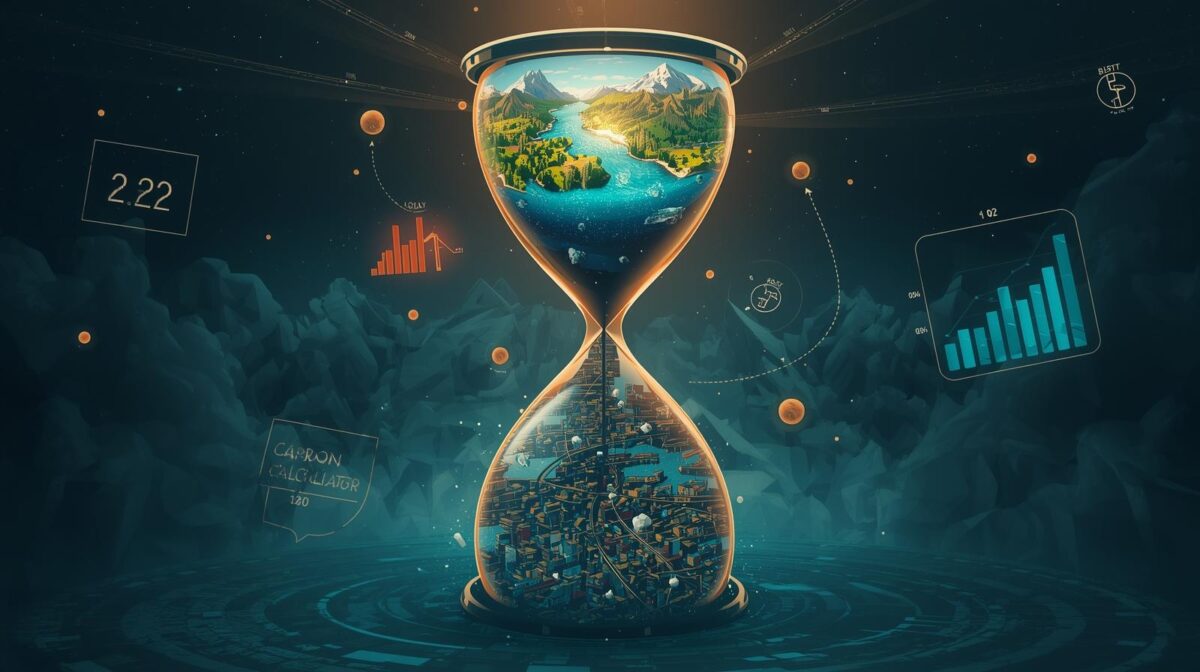
The climate reality
In 2025, climate change shapes health, budgets, and routines. A carbon footprint calculator turns vague concerns into clear CO₂e numbers. As a result, you see what really drives your impact.
What the calculator reveals
Transport, home energy, food, shopping, and waste create the bulk of a personal footprint. For example, one long flight can add tons of CO₂e. Meanwhile, insulation and efficient lighting reduce bills and emissions together.
Why action feels easier with numbers
Numbers remove guesswork. Next, small steps stack up: fewer car trips, plant-forward meals, and steady efficiency upgrades. In short, the tool works like a budget app for the planet.
Learn more, act faster
Explore our guides: Saving Tips and Free Downloads. See the EPA overview and the Paris Agreement for context.
Savvix Advice: You don’t need perfection. You need consistency. Start small today, and your future self will thank you.
What Is a Carbon Footprint Calculator and Why You Need One
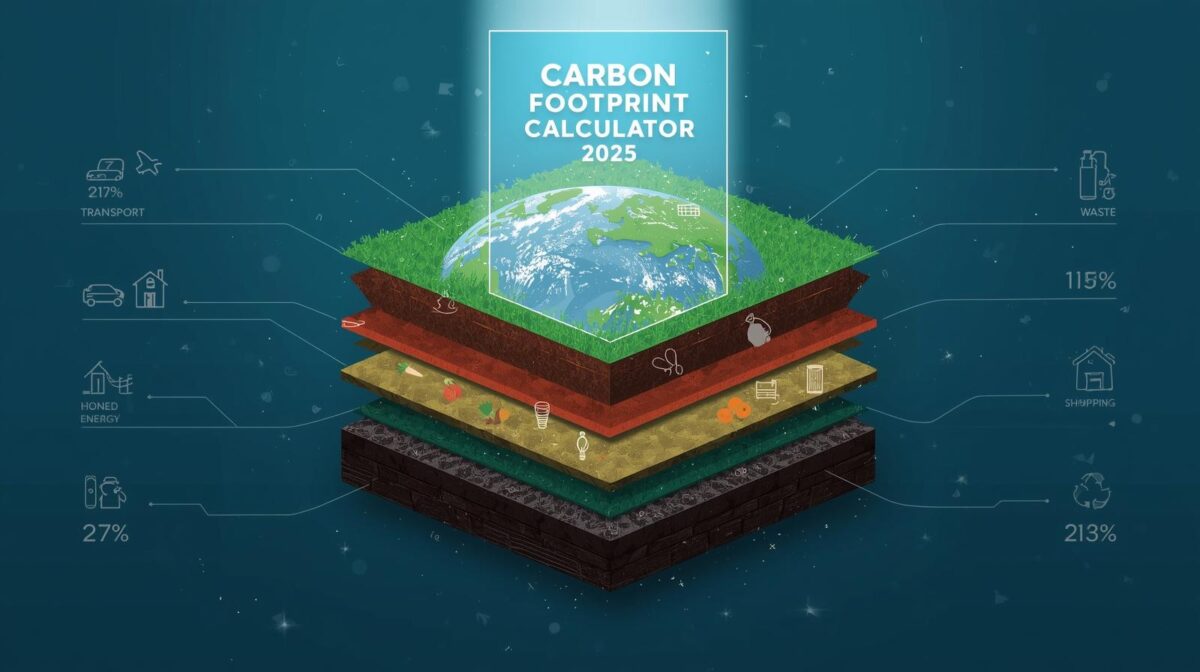
Inputs that improve accuracy
Enter real data: kWh for power, m³ or gallons for heating, miles or km for travel, servings for food, and counts for deliveries. Therefore, your baseline reflects reality, not guesses.
Where hotspots usually hide
Transport often dominates in cities. Home energy rises in winter. Meat-heavy diets raise methane-linked totals. Shopping and deliveries add hidden manufacturing and packaging emissions.
Why you need one today
With a calculator, you set goals, track monthly trends, and choose actions with the highest return. For example, swapping two meat meals per week or sealing window leaks quickly lowers totals and costs.
Helpful resources
See Tips & Tricks, the IPCC reports, and the IEA CO₂ summaries for methods and benchmarks.
Savvix Advice: Baseline first, then trim the biggest slice by 10%. Simple rule, strong momentum.
Daily Life Choices That Increase or Reduce Your Carbon Footprint

Transport choices
Short car trips stack up quickly. However, public transport, cycling, and walking cut most of that load. EV charging with renewables reduces the rest.
Home energy habits
Old boilers, gaps, and standby power waste energy. Next, LEDs, smart thermostats, and basic insulation deliver fast wins. Solar adds clean supply where feasible.
Food patterns
Meat-heavy menus raise totals. Plant-forward meals, seasonal produce, and local options lower them. Composting scraps prevents methane in landfill.
Shopping and waste
Fast fashion and frequent deliveries add hidden emissions. Repair, reuse, and secondhand reduce demand. Finally, strong recycling habits keep materials in use.
Learn more and act
Read everyday savings. For diet impacts, see the FAO climate pages.
Savvix Advice: If your car drinks more than you do, give it a day off. Your wallet gains weight; your footprint loses it.
Top Features of the Best Carbon Footprint Calculators in 2025

Accurate inputs
Detailed fields for kWh, fuel, miles, flights, meals, and deliveries improve precision. As a result, the baseline matches reality.
Real-time visuals
Bar and pie charts update instantly. Therefore, the largest source stands out in seconds.
Personalized guidance
Action cards suggest insulation, appliance upgrades, cycling routes, and food swaps. For example, two plant-based dinners per week cut emissions with little effort.
Goals, comparisons, and privacy
Dashboards track weekly, monthly, and annual targets. Comparison views show local and global benchmarks. Encryption and offline modes protect personal data.
Reports and integrations
PDF and CSV exports help you share progress. Fitness, banking, and energy apps sync data to reduce manual entry. For more, see our Free Downloads.
Savvix Advice: Pick one calculator. Use every field. Follow one suggestion today, not someday.
How to Use a Carbon Footprint Calculator Effectively

Gather your data
Bills, receipts, and logs create accuracy. Collect electricity bills, gas records, car mileage, and flight tickets. Add food patterns, shopping receipts, and waste bins. In short, the more details you add, the clearer the picture.
Enter numbers with care
A carbon tracker works best with real inputs. Use kWh, liters, miles, and kilograms. Avoid rough guesses. Exact data shows your eco impact in true numbers.
Review results
Charts highlight hotspots. Transport often dominates in cities. Food rises in meat-heavy diets. Home energy grows in winter. Waste looks small but still matters.
Set goals and act
Pick one area first. Cut transport emissions by 10%. Swap two meat meals for plant-based ones. Improve insulation. Upgrade one appliance. Each choice becomes progress.
Track progress
Update monthly. Compare reports. Share results with family or coworkers. Seeing numbers drop creates motivation.
See Tips & Tricks for hacks. For global data, review the IEA Global Energy Review.
Savvix Advice: Think of it like a fitness tracker for your lifestyle. Every saved kilowatt is a push-up for Earth.
Common Mistakes People Make Without Tracking Emissions

Transport gets ignored
Many assume short trips do not count. In reality, every kilometer adds CO₂. Flights are also underestimated. One long-haul flight equals months of local driving.
Home energy is overlooked
Old appliances, leaky windows, and standby power drain energy. However, without a carbon tracker, these losses remain hidden.
Food impact is forgotten
Meat and dairy add methane. Seasonal and local produce reduce transport needs. Food scraps in landfill produce more gas. A green lifestyle calculator makes these effects visible.
Shopping hides emissions
Fast fashion, electronics, and frequent deliveries increase impact. Packaging and transport pile up. Repairing, reusing, and secondhand shopping cut these numbers.
Waste is mismanaged
Recycling mistakes and skipped composting send more waste to landfill. As a result, methane emissions rise.
Small actions are dismissed
People say: “One LED bulb will not matter.” Yet billions of bulbs make a difference. A CO₂ tracker proves that small actions add up.
Check our Saving Tips guide for fixes. See EPA Recycling Resources for global advice.
Savvix Advice: Most people say: ‘It’s just one plastic bag.’ Imagine seven billion people saying the same. That’s not a bag, that’s a mountain.
Benefits of Regularly Using a Carbon Footprint Calculator

Awareness grows
A carbon footprint calculator makes abstract emissions real. With regular use, numbers show links between energy bills, transport choices, diet, and waste. As a result, awareness becomes part of daily thinking.
Motivation builds
Progress tracking inspires change. For example, emissions fall after switching to public transport. Food emissions drop when plant-based meals replace meat. Home energy improves after insulation or LED upgrades. Each update proves effort pays off.
Financial savings appear
Energy-efficient habits cut bills. Less gas, fewer miles, and smarter shopping reduce monthly costs. A CO₂ tracker shows that climate-friendly choices save money too.
Accountability strengthens
Reports make actions visible. Sharing results with family or coworkers builds motivation. Transparency pushes everyone to stay consistent.
Goals become clear
Targets feel achievable. Families align plans. Companies use results for ESG reporting. Students apply calculators to school projects. Goals shift from vague promises to measurable steps.
Emotional rewards matter
People feel pride after each update. They sense control instead of guilt. A green lifestyle calculator turns climate action into confidence.
See Saving Tips for ideas. Check IEA Climate Change reports for benchmarks.
Savvix Advice: Think of it like brushing your teeth. Once doesn’t change much, but daily care transforms everything.
How Carbon Footprint Calculators Support Global Climate Goals

Linking small actions to big targets
A carbon footprint calculator connects personal choices to global results. The Paris Agreement, UN climate goals, and net-zero pathways depend on individuals. Each bus ride, plant-based meal, and kilowatt saved supports collective progress.
Data guides policy
When millions use a CO₂ tracker, patterns appear. Transport dominates in cities. Food emissions rise in meat-heavy regions. Home energy spikes in cold climates. Aggregated numbers help governments design effective climate policy.
National plans rely on citizens
Governments publish ESG roadmaps and national pledges. Yet success depends on people. Local reductions flow into national reports. Without individual action, national totals remain too high.
Innovation follows demand
Companies create smarter tools when users demand accuracy. Apps now connect shopping receipts, diet logs, and travel data. Smart homes feed real-time emissions to dashboards. Innovation grows as individuals care more.
Accountability creates trust
Numbers hold leaders responsible. Citizens demand action when they see their own results. Companies share verified progress through blockchain-based emission reports. Transparency drives credibility.
Global collaboration expands
Shared data helps cities compare footprints. Countries track collective goals. International organizations confirm progress. As a result, local numbers power global outcomes.
See Tips & Tricks to act locally. For global context, visit the UNFCCC website.
Savvix Advice: One LED bulb may look small. But billions of bulbs light a continent. Your data, your choice, your power.
The Future of Carbon Footprint Tracking: Trends for 2025 and Beyond

Smarter app integration
By 2025, a carbon footprint calculator is part of daily apps. Banking apps show CO₂ per purchase. Fitness apps log cycling or walking as carbon savings. Delivery apps reveal packaging emissions. Shopping platforms add eco impact scores.
AI-powered insights
A modern CO₂ tracker does more than display data. Artificial intelligence studies your patterns. It notices high-meat weeks, long commutes, or energy spikes. Then it suggests personalized, practical actions.
Smart devices in sync
Home assistants, EV chargers, and smart meters feed data automatically. Emissions update in real time. Manual entry fades away. The green lifestyle calculator becomes seamless.
Gamification for motivation
Emission tracking turns into a game. Families compete on dashboards. Schools track classrooms. Companies track departments. Badges, leaderboards, and streaks make reductions rewarding.
Blockchain for transparency
Trust grows with blockchain-based verification. Businesses confirm ESG data. Communities share proof of local reductions. A public ledger prevents greenwashing.
Emotional design
Calculators avoid punishment language. Instead, they celebrate progress. Friendly mascots like Savvix transform cold data into inspiring stories. Emotional design keeps users engaged long term.
Global collaboration
Aggregated data fuels global cooperation. Cities compare results. Countries measure collective footprints. Policymakers act on real-time dashboards.
Check our Free Downloads. For global perspective, see the World Bank climate resources.
Savvix Advice: Imagine your shopping app saying: ‘Congrats, you saved 2kg CO₂ by buying local.’ That future is here. Use it.
Conclusion: Take Action Today with a Carbon Footprint Calculator

More than a tool
A carbon footprint calculator is not just software. It acts as a mirror, a guide, and a motivator. Every entry tells a story. Every update reflects progress. Every choice creates impact.
Small choices count
Climate change looks overwhelming. However, action feels manageable when broken into daily steps. Switching off one light, cycling to work, cooking a plant-based meal, or repairing instead of replacing — these actions matter. A CO₂ tracker shows their weight in real numbers.
Global goals need you
Policies and pledges set direction. But individuals create momentum. Billions of small updates add up to global shifts in markets and laws. Your role is essential.
Consistency over perfection
The journey does not require flawless behavior. It requires steady steps. Track once, act once, and repeat. The future changes not in one day, but through thousands of consistent days.
Start now
Open a green lifestyle calculator today. Enter your data. Face the results. Use them as a compass, not a punishment. Each update moves you closer to a smarter, greener, more hopeful life.
See Saving Tips. For global context, check the UNEP Emissions Gap Report.
Savvix Advice: Think of me as your pocket-sized coach with glasses. I won’t shout, but I’ll remind you: every LED bulb, every bus ride, every reusable bag counts. You don’t need perfection. Just keep showing up. Even superheroes trip over their capes sometimes.
