
Kickstart Your Journey: Smart Business Ideas You Can Start Under $1,000 (2025 Guide)

Looking for profitable business ideas under $1000 you can start right now? In 2025, you don’t need big capital to launch a real business—you need clarity, a focused niche, and a simple plan. With free or low-cost tools, you can validate demand, price your offer, and turn small actions into steady revenue. This page shows you how to prepare the ground before we dive into ten concrete ideas, so your first dollar earned arrives faster—and scales smarter. First, stabilize your personal cash flow so every saved dollar becomes startup fuel. Use our Budget Calculator to spot waste and re-allocate funds toward your launch. If impulse purchases keep derailing you, track them with the Impulse Spending Tracker. Then browse rising topics on Google Trends and compare search interest for niches like “digital printing,” “local content services,” or “AI automations.” Data-first decisions reduce risk and speed up results.
Why Profitable Business Ideas Under $1000 Win in 2025
Low investment means low anxiety and faster iteration. You can start lean, test offers in days, and refine pricing without burning cash. According to sector analyses and marketplace data, service-led micro businesses with minimal inventory consistently outperform heavy, debt-driven models for new founders. In other words: small bets, fast feedback, repeat.
- Low risk, high agility: You can pivot your niche without sunk costs.
- Tool-first execution: Free design, no-code, and AI tools shrink startup costs.
- Scalable systems: Templates, automations, and retainers compound revenue.
How to Prepare Before You Pick Any Profitable Business Idea Under $1000
Define a simple offer, a target audience, and one channel to acquire clients. Draft a one-page landing section on your site, collect 2–3 testimonials quickly, and set tiered pricing. Track margins with the Side Hustle Profit Estimator, and set a 30-day execution window: research (week 1), outreach (week 2), delivery (week 3), optimization (week 4). This cadence turns intention into income. Need inspiration beyond the usual ideas? We’ll cover both digital and physical angles—like mini heat-press merch, eco handmade products, local video packages, AI automation kits, and simple website revamps—so you can choose the path that fits your skills, schedule, and city. Related reading: start saving money without feeling broke • expense tracking changed my life • the one rule that changed my finances forever.
Savvix Says
“Pick one niche, one offer, one channel. Track every dollar with the Budget Calculator, and commit to 30 days of daily output. Small, consistent moves turn profitable business ideas under $1000 into real income.”
Turn Knowledge into Income: How to Build a Consulting Business Under $1,000

Not every winning venture needs inventory or a studio — sometimes, your knowledge is the product. If you’ve solved a problem others still struggle with, you’re holding one of the most profitable business ideas under $1000 in 2025: online consulting. From budgeting and social media growth to fitness, career strategy, or AI tools, you can turn expertise into income with minimal spend.
How to Get Started (Step-by-Step)
- Create a professional profile on LinkedIn or list services on Fiverr.
- Publish a simple website/landing page (WordPress/Wix; basic hosting ≈ $60/year) describing your niche, offer, and booking link.
- Use Canva & Google Slides for branded proposals, and book calls via Calendly (free tier).
- Meet on Zoom/Google Meet; collect payments via Stripe or PayPal. Track profitability with our Side Hustle Profit Estimator.
Price starter sessions at $50–$150/hour, then package outcomes (e.g., “90-minute audit + 2-week follow-up”). Share weekly insights on LinkedIn or Medium to attract leads organically, and turn comments into discovery calls.
Niches That Convert
- Budget & finance consulting for individuals or freelancers — plan sessions with our Budget Calculator.
- Content/branding strategy for local businesses and creators (position offers with case-style posts).
- Career & interview coaching for graduates or switchers; productize CV/LinkedIn revamps.
- Tech/AI enablement — help teams adopt automation using tools like Zapier and Notion.
Why This Works (and Scales)
Consulting is a low-overhead, high-trust model. You sell transformation, not hours. As testimonials compound, your prices rise and your calendar fills — proof that profitable business ideas under $1000 can scale quickly. Keep admin light with recurring invoices, templated proposals, and task checklists in Notion. Review savings goals with our Savings Goal Tracker and reinvest in authority assets (domain email, better mic/camera, niche landing pages).
Pro Tip
Offer a free 20-minute discovery call with a concise intake form. Pre-qualify prospects, deliver one quick win, and present a clear package. Even one paid call per day can reach $3,000+/month within six months.
Savvix Says:
“Authority is earned in public. Share one lesson a week, book discovery calls, and turn your expertise into a thriving consulting brand.”
Next up: Explore more profitable business ideas under $1000 you can launch this month.
Create & Earn: Launch Your Own Eco-Friendly Candle and Soap Brand

Looking for profitable business ideas under $1000 that you can start right now?
Launching an eco-friendly candle and soap brand is one of the most creative and sustainable
ways to earn income from home. With a modest budget, basic supplies, and authentic storytelling, you can turn
natural ingredients into a profitable business that appeals to conscious consumers in 2025.
Low-cost startup essentials
- Organic soy or coconut wax, wicks, fragrance oils, and natural colorants: $200–$300
- Soap molds, digital scale, thermometer, and pouring tools: $150–$250
- Recyclable jars, eco-friendly packaging, and labels: $150–$200
- Simple brand website or Etsy listing: $50–$100
Total launch cost stays under $1000 — and that includes professional packaging and your first batch of sellable products.
Step-by-step plan for 2025 success
- Develop 2–3 signature scents using clean ingredients like lavender, sandalwood, or citrus oils.
Learn safe candle-making basics from CandleScience. - Create a minimal brand identity in Canva or
Figma. - List your products on Etsy, or sell through your own site using
Side Hustle Profit Estimator to price accurately. - Promote your brand on Pinterest,
TikTok, and
Instagram using “behind-the-scenes” content — it builds trust and drives organic sales. - Track income, costs, and profit margins with the Budget Calculator and
Savings Goal Tracker.
Why this side hustle works
Sustainable home products are among the fastest-growing categories in e-commerce.
Shoppers want authenticity and eco-conscious brands. With small-batch production, you can
experiment quickly, adjust scents based on reviews, and build repeat customers. According to
Grand View Research,
the global candle market continues to expand rapidly — proving this is one of the most
accessible profitable business ideas under $1000 that combines creativity, impact, and scalability.
Savvix Says:
“Start small, stay consistent, and let your brand scent tell your story. The eco-friendly market rewards passion,
not perfection. Every candle you pour is one step closer to your freedom.”
Go Global from Home: Start a Content Localization Micro-Agency on a Small Budget

Looking for profitable business ideas under $1000 that require minimal setup but deliver high returns?
Launching a content localization micro-agency is one of the smartest ways to enter the global online
economy in 2025. You’ll help small businesses adapt their websites, product listings, and ads for different
languages and markets — a niche that’s booming as brands expand internationally.
Why a Localization Agency Works in 2025
As cross-border e-commerce grows, companies need accurate and culturally relevant translations.
This is more than language — it’s context, keywords, and emotion. A localization micro-agency bridges that gap.
With less than $1000, you can build a simple but professional operation that serves clients worldwide.
According to
Statista, global e-commerce sales will surpass $6 trillion by 2025 — and localization drives those conversions.
Startup Essentials (Under $1000 Total)
- Market validation: Use
Google Trends
and
Exploding Topics
to find rising industries needing translation. - Core tools:
DeepL Translator,
Grammarly, and
Hemingway Editor
for editing and readability. - Workflow management: Organize clients and projects with
Notion
or Google Drive templates. - Financial tools: Track spending with the
Budget Calculator and forecast revenue using the
Side Hustle Profit Estimator.
How to Get Your First Clients
- Pick one language pair (e.g., English→Spanish, English→German) and one niche such as SaaS, e-commerce, or travel.
- Build a one-page website or portfolio showing before-and-after examples.
- Promote your services on
Upwork,
Fiverr, and
LinkedIn. - Price by page or per-word, and record profit margins with the
Savings Goal Tracker. - Scale later by outsourcing to bilingual freelancers once you secure recurring clients.
Why This Is One of the Best Online Business Ideas 2025
The localization niche combines global demand, digital flexibility, and high client retention.
It’s ideal for anyone who’s multilingual or detail-oriented. You don’t need office space —
just a laptop, consistency, and communication skills. Among all profitable business ideas under $1000,
this one builds long-term relationships and repeat income faster than most freelance paths.
Savvix Says:
“Go global from your desk. Localization isn’t just translation — it’s connection.
Help brands speak to new markets, and you’ll build a business that scales beyond borders.”
Handmade Freedom: Build a Home-Based Product Business with Less Than $1,000

If you enjoy creating tangible products, profitable business ideas under $1000 aren’t limited to digital ventures. You can start small-scale production of handmade or customized items from your home. This model combines creativity, sustainability, and low upfront costs — while appealing to buyers seeking unique, personalized goods.
Start Small: Home-Based Handmade Business Ideas
- Candle Crafting: With wax, scents, and molds under $500, you can design eco-friendly candles and sell on Etsy or local markets.
- Customized Mugs or T-Shirts: Buy a small digital heat press or vinyl cutter and start personalizing mugs or shirts — a scalable niche for birthdays, weddings, and small brands.
- Handmade Soaps and Skincare: Organic ingredients, essential oils, and sustainable packaging make this an attractive niche, especially if you target eco-conscious buyers.
Where to Sell Handmade Products Under $1000
Use e-commerce platforms like Amazon Handmade or Shopify to reach a global audience. Create visually engaging product images and optimize listings with keywords like “handmade,” “eco,” “custom gift,” or “under $30.” Include simple storytelling about your creative process to connect emotionally with buyers.
Profit Potential & Tools to Track Growth
Handmade businesses often earn profit margins between 40–60% once materials are sourced efficiently. Use the Side Hustle Profit Estimator to calculate costs and forecast profits before scaling. You can also manage inventory and expenses with the Budget Calculator to stay organized from day one.
Savvix Says
“Creativity pays when paired with structure. Track your material costs, use the Budget Calculator, and list your first handmade product online this week — your first sale will teach you more than any course.”
Launch a Low-Cost Digital Printing & Product Personalization Business (Under $1000)
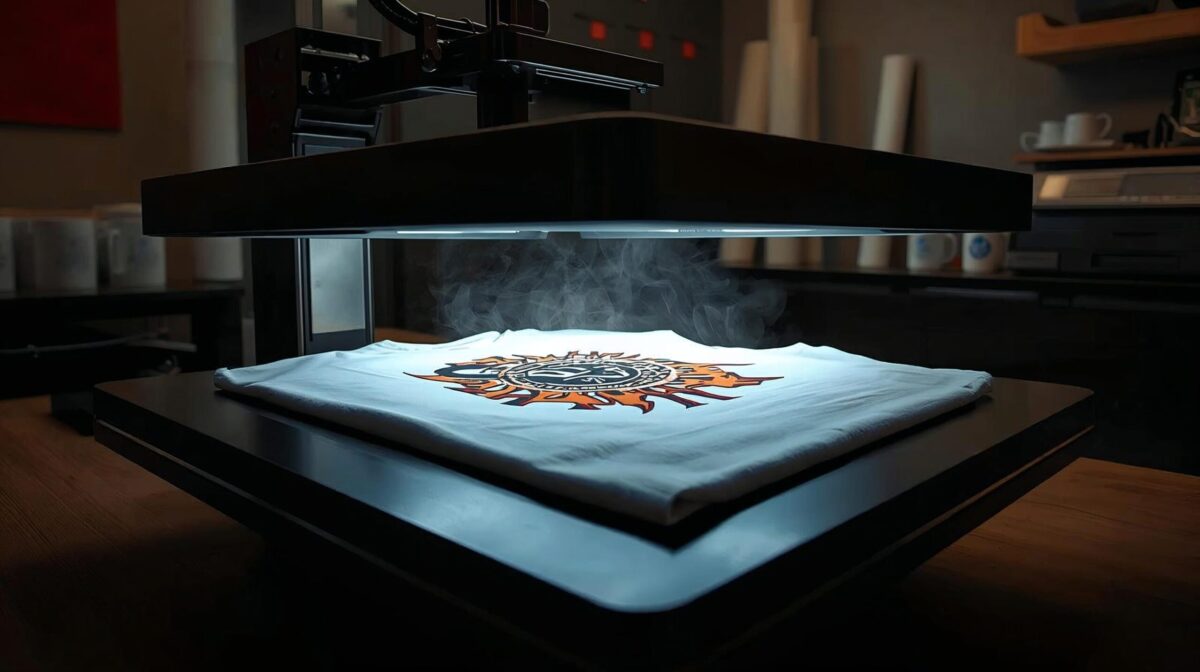
Among the most profitable business ideas under $1000 in 2025,
starting a low-cost digital printing and product personalization business stands out for its creative freedom
and scalability. With affordable equipment, online marketplaces, and smart branding,
you can turn your living room into a micro-factory for custom t-shirts, mugs, posters, tote bags, phone cases,
and event merchandise.
The key is personalization — modern consumers want unique, story-driven products that reflect their values and lifestyle.
Low Investment Setup for High Profit
Unlike traditional manufacturing, today’s print-on-demand and digital printing models require minimal upfront cost.
For under $1000, you can acquire essential tools, test markets, and sell globally using online platforms.
Here’s a simple breakdown of your first setup:
- Compact heat press machine and printer: $350–$500
- Blank t-shirts, mugs, and vinyl sheets: $150–$200
- Design software (Canva Pro, Photopea, Figma): Free–$15/month
- Domain + hosting for your brand site: $80–$100
- Marketing budget for Instagram Ads or Pinterest: $100
Total cost? Still below $1000 — and with that, you’re ready to launch a full-fledged home-based creative business.
Whether you sell locally or globally through Etsy,
Shopify, or
Printful, your path to profit is already open.
How to Build a Personalization Brand
- Choose a strong niche — pet owners, gamers, eco-friendly buyers, or motivational gifts.
- Create mockups in Canva or Adobe Express.
- Open a store on Etsy or Shopify; add 5–10 flagship products to test demand.
- Use our Side Hustle Profit Estimator to calculate your margins and break-even point.
- Promote with short-form videos showing your printing process — authenticity sells.
Your brand story matters. Share how each design connects to a message — whether it’s sustainability, humor, or empowerment.
This emotional link turns casual buyers into loyal customers.
Marketing Strategies That Drive Sales
Focus on organic visibility first. Optimize listings with product keywords like “custom t-shirts under $30,”
“eco-friendly mugs,” or “personalized gifts 2025.” Cross-post to Pinterest boards for handmade crafts,
and join Facebook groups for small businesses. Use Budget Calculator to track ad spend
and ensure your ROI stays positive. Collaborate with local influencers for barter deals —
a few free samples can drive exponential traffic.
Why It Works in 2025
The global demand for personalized items is growing exponentially. Consumers want ownership of design, identity, and purpose.
According to Statista,
personalization in retail is expected to reach over $35 billion by 2025. This means that even small creators with limited capital
can tap into massive markets using digital printing and low-investment business models.
You don’t need a factory — just a brand voice and consistent output.
Savvix Says:
“A printer, a press, and passion — that’s your startup kit.
Start small, design boldly, and reinvest profits into better tools.
Every mug, shirt, or poster you print is proof that your creativity can pay the bills.”
Build and Sell Digital Products: Templates, Printables & Planners (Under $1000)
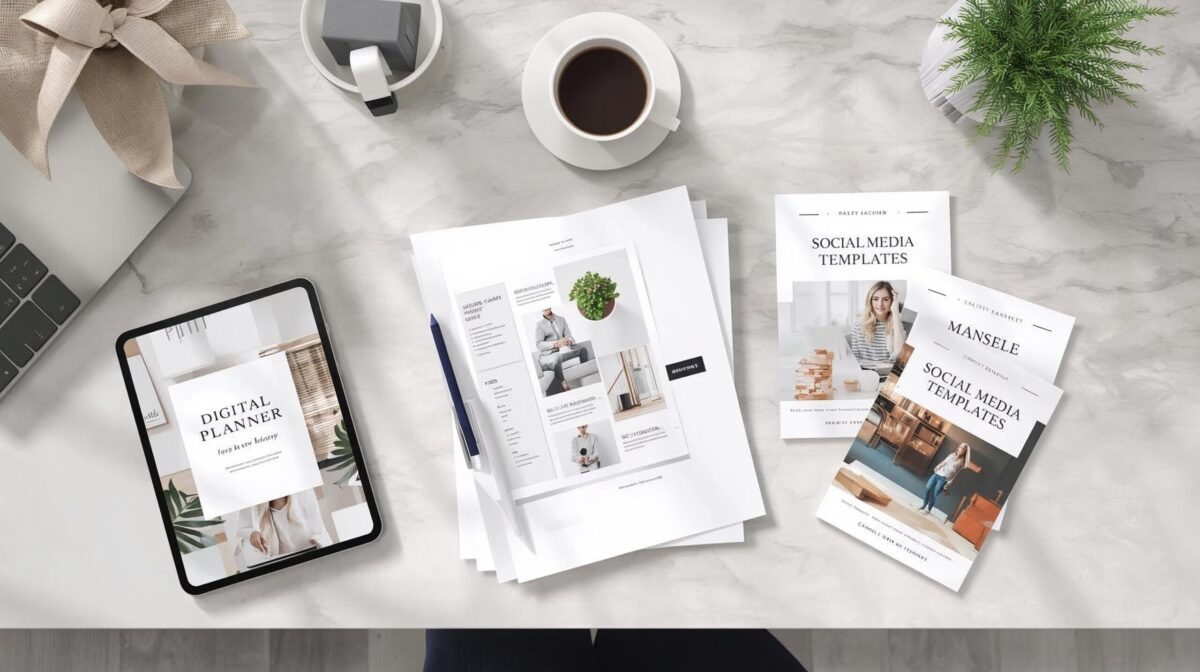
If you’re looking for profitable business ideas under $1000 that scale globally and work from day one, creating and selling
digital products (templates, printables, planners, resumes, Notion dashboards) is one of the smartest moves in 2025. With free or low-cost design tools, high-demand marketplaces, and repeatable systems, you can build an online catalog that earns while you sleep. No inventory, no shipping, no complicated logistics — just
low-investment online business with massive upside.
Start Fast: What to Create and Where to Sell
Begin with evergreen, problem-solving assets: budget planners, weekly habit trackers, resume templates, social media content packs, Canva templates for small businesses (logos, flyers, menus), and Notion templates (CRM, content calendars, student dashboards).
List your products on high-traffic platforms such as
Etsy,
Gumroad, and
Creative Market, and promote freebies or teasers via Pinterest and short-form video.
- Design Tools: Canva (free/pro), Photopea, Figma
- Frameworks: Notion workspaces for templates, databases, and dashboards
- Delivery: Etsy digital downloads, Gumroad product pages, or your own landing page
Keep pricing simple at first ($3–$19 for printables, $15–$49 for robust kits). Use our
Side Hustle Profit Estimator to model price tiers and monthly revenue targets before you launch. Track costs (platform fees, Canva Pro, ads) with the
Budget Calculator, and send a portion of each sale to savings using the
Savings Goal Tracker.
A 5-Step System to Launch in 14 Days
- Research demand: Study bestsellers on
Etsy and
Creative Market.
Note keywords, pricing, colors, and promise (the “job” your product completes). - Design minimum viable products: Build 3–5 simple but polished items (e.g., “Weekly Budget Planner,” “Content Calendar,” “Minimalist Resume”).
- Create listings that sell: Use mockups, benefit-driven titles, scannable descriptions, and SEO tags (include “digital download,” “printable,” “editable”).
- Promote smart: Post a how-to clip or a timelapse design video on TikTok, Instagram Reels, and Pinterest. Offer a free page to collect emails for future launches.
- Iterate and bundle: Combine related products into affordable bundles. Gather reviews and keep shipping updates (files) simple and seamless.
Monetization, Margins, and Scale
Digital assets have near-100% gross margins after platform fees. Your real cost is time. That’s why systems win:
create templates once, update seasonally, and expand into bundles and mini-courses later. Track your pipeline with Notion and forecast goals using the
Side Hustle Profit Estimator. As you see repeat sales, reinvest into better visuals (premium mockups),
A/B-test thumbnails, and expand to niche stores (weddings, fitness coaches, real estate agents, teachers).
FAQ — People Also Ask (2025)
1) Is selling Canva templates profitable in 2025?
Yes. The combination of low startup costs, high demand for digital products, and global marketplaces makes Canva-based templates a strong
online business idea 2025. Focus on niches (weddings, coaches, small businesses) and keep optimizing listings to rank for competitive keywords.
2) Can I sell Notion templates without coding?
Absolutely. Notion is no-code. Build dashboards for content planning, finance tracking, or workflows and deliver via share links. Position your products as
“time-saving systems” and price based on outcomes, not page count.
3) How should I price digital planners and printables?
Start low to gain traction ($3–$9 for single printables, $15–$29 for planner kits). Once you have reviews and bundles, raise prices. Use the
Side Hustle Profit Estimator to test scenarios (conversion rate, cart value, refunds).
4) Which platform is best: Etsy, Gumroad, or my own site?
Etsy has built-in traffic but fees and competition; Gumroad is fast to launch; your own site gives you full control and branding.
Many creators use a hybrid: Etsy for discovery, Gumroad for fans, and their site for higher-margin bundles.
5) How do I get consistent traffic without ads?
Rank for long-tail keywords inside Etsy, post Pinterest pins that link to listings, and publish “how to use” videos on TikTok/YouTube. Build an email list with a freebie and announce monthly drops. Consistency compounds.
Savvix Says
“Ship simple, then improve. One clean template that saves people time can fund your next five products. Track margins, bundle smart, and show your results.”
Next up: Explore another under-$1000 business idea you can launch this month.
Start a Personalized Gift Printing Business Under $1000
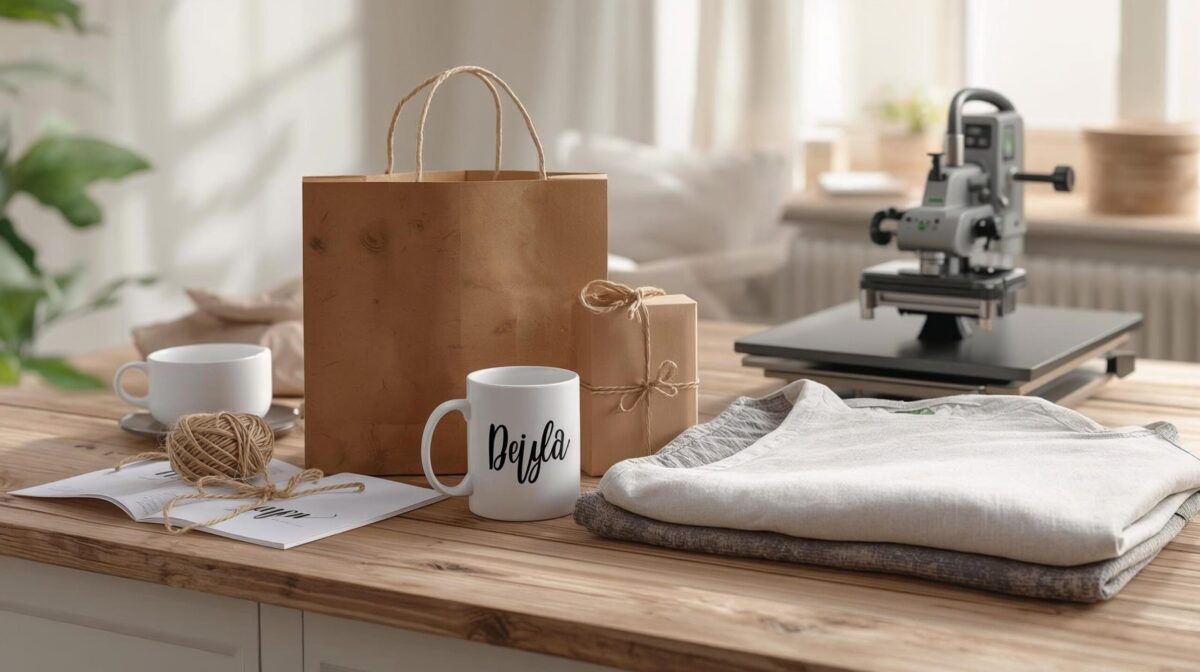
Among the most profitable business ideas under $1000 in 2025 is starting your own
personalized gift printing business — a low-cost venture where creativity meets consistency.
With compact heat-press printers, sublimation paper, and design tools like
Canva,
you can produce and sell high-quality custom mugs, T-shirts, phone cases, and tote bags directly from home.
This business combines modern printing technology with emotional storytelling — customers love personalized gifts that
feel unique and meaningful.
How It Works and What You Need to Start
You don’t need a full-scale studio. A small setup can turn your room into a mini workshop that generates
steady income. Here’s what your initial investment looks like:
- Compact heat press machine or mini sublimation printer: $350–$450
- Sublimation paper, ink, and blanks (mugs, shirts, coasters, tote bags): $200–$250
- Packaging, design templates, and branding materials: $100–$150
- Online store or listings on Etsy and
Amazon Handmade: $100–$150
Your total startup cost stays well below $1000 — yet your potential monthly earnings can exceed $2000+ once your listings
start gaining traction. Use the Side Hustle Profit Estimator
to forecast your return on investment and plan your first product batch wisely.
Design and Production Tips for 2025
Personalized gifts are a timeless market, but in 2025, sustainability and minimalism dominate trends.
Keep designs clean, use recyclable packaging, and include a small thank-you note to build brand loyalty.
Create mockups using Canva
and showcase your work through short videos on TikTok, Reels, or Pinterest. Behind-the-scenes printing clips
drive enormous engagement — helping you sell even before launching a store.
Step-by-Step Guide to Launch
- Choose your niche: Couples’ anniversary mugs, motivational shirts, or holiday gift boxes.
- Create prototypes: Design 3–5 sample products and post them on Etsy or Instagram for feedback.
- List optimized products: Use searchable titles and alt-text like “custom printed mug,” “personalized birthday gift,” or “eco tote bag.”
- Automate fulfillment: When demand grows, partner with
Printful
or Printify for print-on-demand options. - Track cash flow: Use our Budget Calculator
and Savings Goal Tracker to stay profitable.
Why This Business Model Works
Personalized items hold emotional value — they’re not commodities. As more consumers move toward meaningful gifting,
handmade and custom products dominate the gifting sector. Low startup costs, small inventory, and creative freedom
make this one of the most profitable business ideas under $1000 today. Plus, online marketplaces already
provide built-in traffic. Your main task is to deliver quality and consistency — something automation can’t replace.
People Also Ask (2025)
1) How do I design personalized products without graphic experience?
Use Canva templates
and modify them to suit your niche. Canva Pro offers ready-to-use product mockups — no design degree needed.
2) Where can I buy affordable blank materials?
Bulk suppliers on Amazon
or Alibaba offer mugs, shirts, and coasters at wholesale prices. Start small to test product quality before scaling.
3) Is personalized printing profitable?
Yes — most items have 60–80% profit margins, especially when ordered in small batches. Test different designs monthly
and raise prices as reviews grow.
4) How can I grow this into a full-time business?
Create seasonal collections (Valentine’s, Christmas, birthdays) and upsell bundles. As traffic increases, build your own
website for better branding and customer retention.
Savvix Says:
“The best businesses start with creativity and consistency. Every mug, every print tells a story — make it one people
want to share. Start lean, stay focused, and keep your press warm.”
Next up: Explore more profitable business ideas under $1000 to build your 2025 freedom path.
Launch a Microgreens & Urban Farming Side Business (Under $1000)
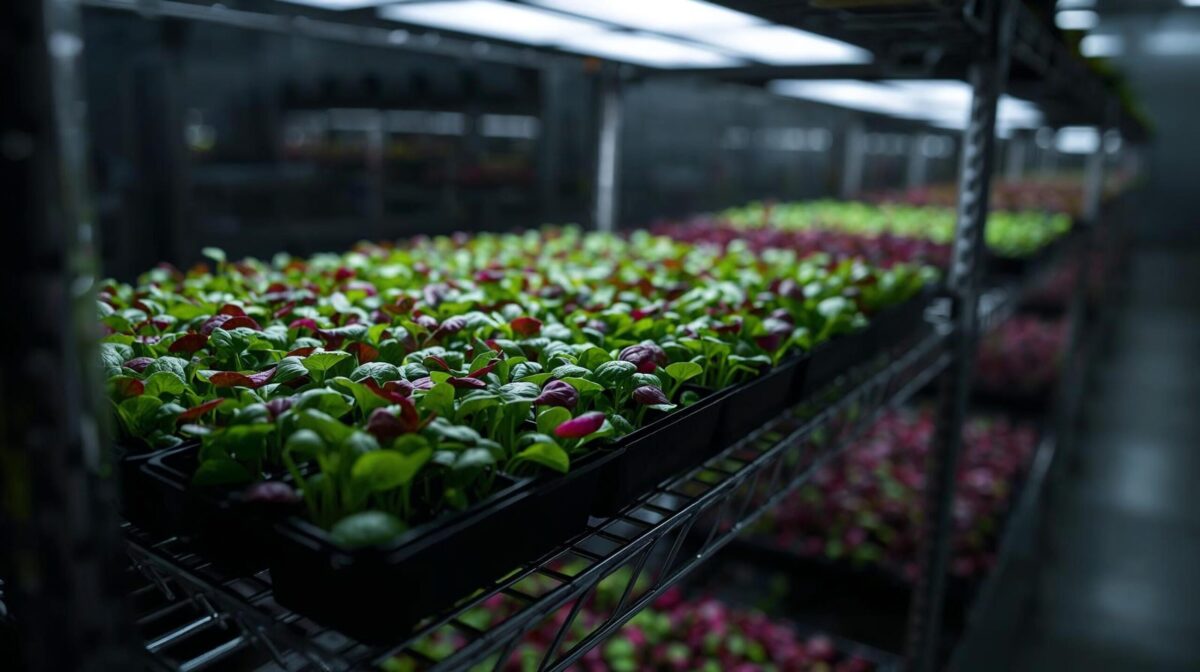
Looking for profitable business ideas under $1000 that generate fast, local, and repeatable sales?
A small microgreens operation is one of the most reliable low-investment business ideas in 2025.
With minimal space, basic racks, LED grow lights, and food-safe trays, you can grow nutrient-dense greens for
restaurants, cafes, meal-prep services, and farmer’s markets. It’s a home-based business with high margins,
short growth cycles (7–14 days), and strong demand for fresh, local, pesticide-free produce.
Startup Costs (Stay Under $1000)
- Sturdy wire rack + humidity dome trays + food-safe grow trays: $200–$300
- LED grow lights (2–4 bars) with basic timers: $150–$250
- Seeds (sunflower, pea shoots, radish, broccoli) + grow medium (coco coir/hemp mats): $100–$200
- Sanitation: food-safe soap, spray bottles, gloves, hairnets: $30–$60
- Packaging (compostable clamshells, labels, stickers): $60–$120
- Simple site/landing page + samples for outreach: $50–$100
Total remains below $1000, yet weekly cycles can bring steady revenue once you lock in repeat buyers. Model your
margins and growth pace with the
Side Hustle Profit Estimator,
track supplies and recurring costs in the
Budget Calculator,
and set a monthly reserve via the
Savings Goal Tracker.
Step-by-Step: From First Tray to First Customer
- Pick 3 high-demand varieties: Start with sunflower, pea shoots, and radish. They germinate fast, taste great, and sell well.
- Dial in your process: Pre-soak (when needed), sow evenly, stack for 2–3 days to germinate, then under lights until harvest.
- Standardize sanitation: Clean trays between cycles; keep a simple SOP for food safety and quality control.
- Design a simple brand: Clear labels, harvest dates, storage tips, and serving suggestions (salads, toast, bowls).
- Sell locally first: Walk into cafes and meal-prep kitchens with samples and a one-page price list; pitch weekly subscriptions.
For supplies and technique, check
Bootstrap Farmer
and seed options from
Johnny’s Selected Seeds.
Keep your listings, pricing, and lead times consistent; chefs value reliability over everything.
Packaging, Pricing & Repeat Orders
Offer 2–3 sizes (e.g., 2oz, 4oz, 8oz) and chef trays for restaurants. Start with competitive pricing in your city,
then raise rates after reviews and repeat orders. Use “harvest day” drops for freshness and efficiency. Outline subscription
plans (weekly/biweekly), seasonal mixes, and bundle deals (e.g., “greens trio”). Keep a simple CRM in Notion or Sheets for
standing orders and delivery routes; log every batch to monitor yield and shrink.
Compliance & Food Safety (Keep It Simple)
Requirements vary by location, but a basic food-safe workflow, labeling (harvest date, net weight), and clean workspace are standard.
Talk to your local market manager about vendor rules. For safe handling guidance, review
ServSafe basics.
As you grow, consider a small shared kitchen or co-op space for scalability and credibility.
Marketing That Actually Works in 2025
- Farmer’s market sampling: Offer taste tests; collect emails for CSA-style weekly boxes.
- Chef-first outreach: DM on Instagram with harvest photos and next delivery window.
- Short-form video: Show germination timelapses, harvest ASMR, plating ideas.
- Bundles: Pair microgreens with local bread/eggs or salad kits to raise average order value.
Focus your time where conversions are highest: chefs and meal-prep brands often become recurring anchors. When volume increases,
revisit your pricing in the Profit Estimator
and adjust subscription tiers.
People Also Ask (2025)
1) Is a microgreens business profitable under $1000?
Yes. Short grow cycles, low inputs, and repeat buyers make it one of the best low-cost business ideas.
Margins are strong if you control waste and keep steady accounts with cafes and markets.
2) How much space do I need to start?
Even a single rack (2–4 shelves) can produce weekly sales. Scale by adding shelves, lights, and varieties as orders grow.
3) What sells best to restaurants?
Sunflower, pea shoots, radish, and broccoli are chef favorites. Offer a rotating “chef mix” for garnish and salad bowls.
4) How do I keep cash flow stable?
Lock in weekly subscriptions, invoice on a schedule, and keep 2–3 anchor clients. Track cash in/out with the
Budget Calculator and earmark profit using the
Savings Goal Tracker.
Savvix Says:
“Grow small, grow fast, grow repeat. Standardize your trays, perfect your harvest day, and treat chefs like partners.
Systems turn greens into guaranteed income.”
Next up: Wrap up with one more under-$1000 business idea to complete your 2025 playbook.
Start a Digital Product & AI Automation Studio (Under $1000)

The most powerful profitable business ideas under $1000 in 2025 combine automation, creativity,
and scalability. A Digital Product & AI Automation Studio lets you create income streams that
work even while you sleep. You don’t need a big team or office—just the right set of AI tools,
automation software, and a clear system for producing and selling digital assets online.
This model merges the best of both worlds: passive income from digital products and active revenue
from automation consulting.
What You Can Offer
- Digital templates — planners, business dashboards, Canva designs, Notion setups.
- AI automation services — automate social media, email, or client workflows using
Zapier or
Make.com. - Micro-courses — teach automation or design basics on
Skillshare or
Udemy. - Custom Notion or Airtable setups — build productivity systems for freelancers and teams.
This hybrid model works because it blends digital leverage with real client results.
Every product you create can become an asset you resell infinitely. Every automation workflow you build
once can serve multiple customers—with no physical cost per unit.
Startup Essentials (Under $1000)
- Premium AI subscriptions (ChatGPT Plus, Jasper, or Copy.ai): $40–$60/month
- Design tools (Canva Pro, Figma, Notion Pro): $20–$30/month
- Automation platform (Zapier, Make.com free tier): $0–$50/month
- Domain + hosting for portfolio: $80–$100/year
- Marketing budget (Pinterest ads, Etsy listings, or Instagram boost): $100–$150
You can launch fully under $1000 — yet this setup can produce multiple income sources simultaneously.
Model potential profits with the
Side Hustle Profit Estimator
and manage your monthly flow with the
Budget Calculator.
Step-by-Step to Launch
- Define your studio niche: Pick an audience (coaches, small biz owners, creators) and a problem (automation, content planning, or templates).
- Build your first 3 digital products: Use Canva or Notion to design; upload them to
Etsy or
Gumroad. - Create a landing page: Introduce your studio, services, and store. Add a portfolio using
Webflow or WordPress. - Set up automations: Connect forms, invoices, and email replies using Zapier or Make.com.
- Promote with intent: Post short videos on
TikTok and
Pinterest showing results, not process.
Why This Business Wins in 2025
AI and automation have democratized entrepreneurship. With free tools and fast design platforms,
solopreneurs can now operate like agencies. Digital studios scale faster than traditional service businesses
because each product and system multiplies your time. The best part? No shipping, no inventory, and nearly zero waste.
People Also Ask (2025)
1) Can I start a digital product business with no experience?
Absolutely. Use templates from Canva, and adapt them to your audience. You can learn everything from
YouTube tutorials
to free Skillshare courses before creating your first product.
2) Which AI tools are best for automation?
Start with Zapier for integration,
Notion for databases,
and ChatGPT for ideation.
Combine them to create repeatable systems that clients pay for monthly.
3) How do I sell my digital products effectively?
Use Etsy or Gumroad to test pricing. Once you see traction, move to your own store. Collect emails early
and run promotions seasonally to boost sales without ads.
4) How do I stay competitive as AI evolves?
Focus on personalization. Offer bundles, one-on-one sessions, or pre-built automation kits tailored to specific niches.
People pay for speed and clarity — not just access to tools.
Savvix Says:
“The future belongs to creators who automate. Don’t chase every AI tool — master one, systemize it, and sell clarity.
That’s how you turn $1000 into a business that runs itself.”
End of series: You’ve now explored ten profitable business ideas under $1000 that work in 2025.
Bookmark this guide, test one idea for 30 days, and watch consistency turn into independence.
Explore more tools and calculators at SmartMoneySaveTips.com.
